Kitchen Equipment
How to Season and Care for a Cast-Iron Skillet
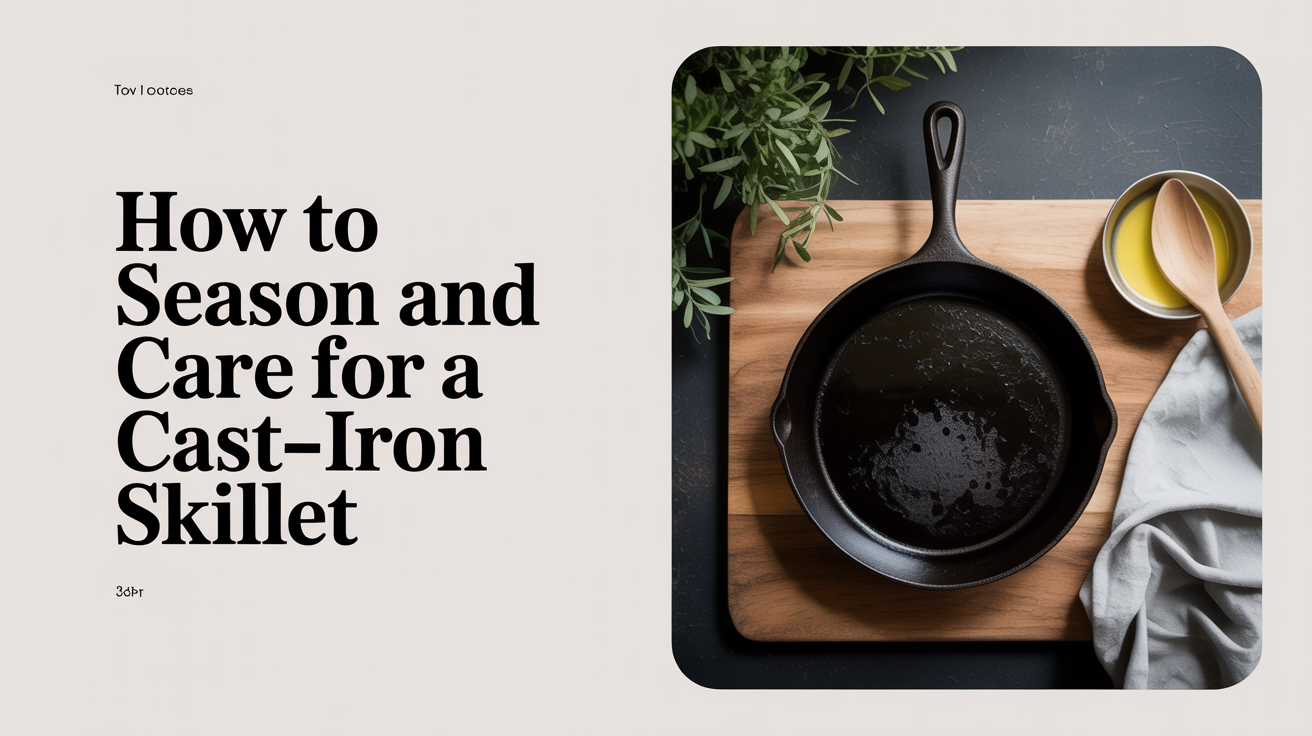
A cast-iron skillet can outlast you. There are pans in regular use that are older than the people cooking with them. The catch is that cast iron asks for a little care in return, and most of what people believe about that care is either outdated or simply wrong.
Here is what seasoning actually is, how to build it, and how to clean the pan without starting an argument.
What seasoning really is
Seasoning is not oil sitting on the surface. It is a thin layer of fat that has been heated past its smoke point until it changes into a hard, plastic-like coating bonded to the iron. Virginia Tech food scientists explain that the oil molecules polymerize under heat, linking together into a slick, durable layer that's chemically bonded to the pan rather than just sitting on top of it. That coating is what makes the pan release food and resist rust.
You build it in thin layers over time. Every time you cook with a bit of fat, you add to it. That is why a pan gets better the more you use it.
How to season a pan
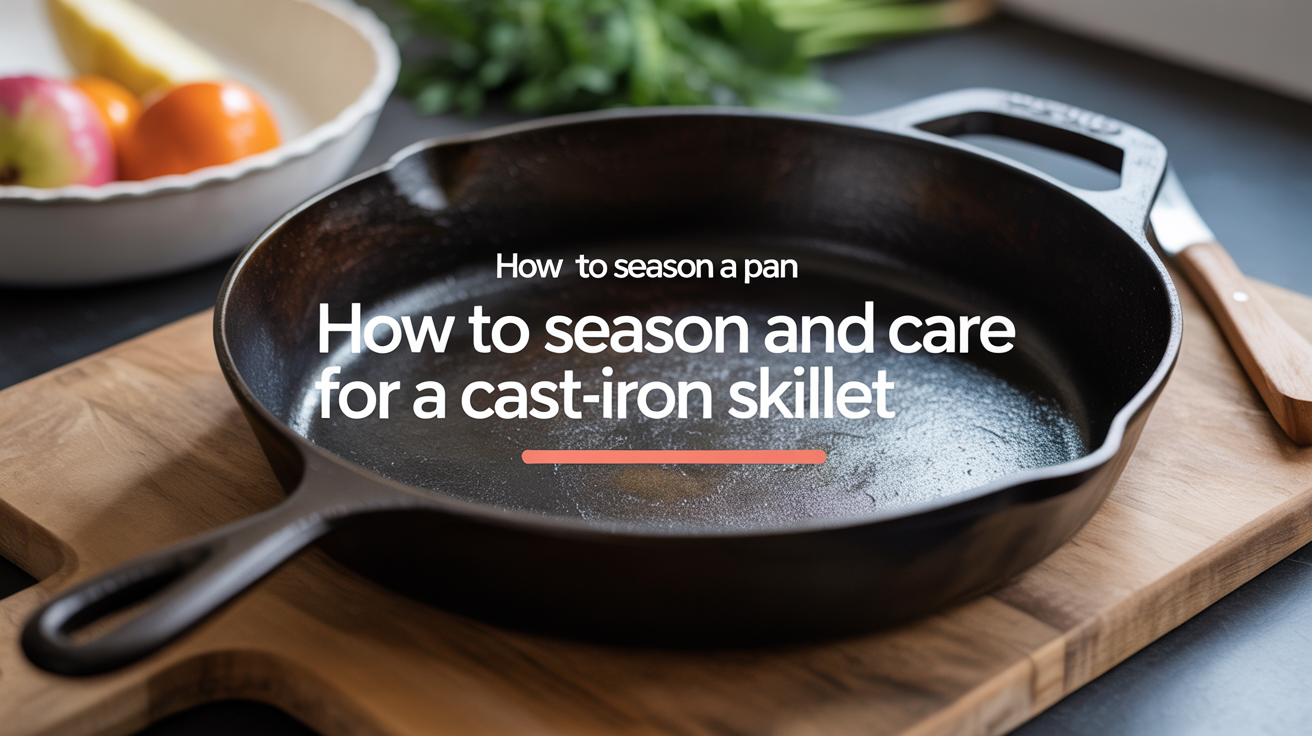
If your pan is new and unseasoned, or you have stripped an old one back to bare metal, start here.
- Wash the pan with warm soapy water and dry it completely. This is the one time soap is clearly fine.
- Put it on the stove over low heat for a minute to drive off any leftover moisture. Water is the enemy of bare iron.
- Add a teaspoon of a neutral oil with a high smoke point, such as grapeseed or canola. Rub it over the whole pan, inside and out, with a paper towel.
- Now wipe it back off. This is the step people skip. The surface should look almost dry, with no visible pooling. Too much oil turns sticky and streaky instead of hard and smooth.
- Bake the pan upside down in a 450°F to 500°F oven for an hour, with a sheet of foil on the rack below to catch drips. Let it cool in the oven.
One round gives you a base. Repeating it two or three more times builds a tougher coating faster, but honestly, cooking is what does most of the work.
Everyday cleaning
This is where the myths live. You can use a little soap on modern cast iron. The soaps that stripped seasoning decades ago contained lye; today's dish soap does not. A properly polymerized seasoning layer is bonded to the metal, and it takes a lot more than a squirt of dish soap and a sponge to touch it; the food scientists at Virginia Tech note that stripping seasoning back to bare metal takes actual high heat, not sudsy water.
A simple routine after cooking:
- Rinse the pan with warm water while it is still slightly warm, and scrub with a brush or a non-scratch pad. For stuck-on bits, a tablespoon of coarse salt works as a gentle scrub.
- Dry it right away and completely. A few seconds back on a warm burner drives off the last of the moisture.
- Wipe a very thin film of oil over the cooking surface while it is warm, then buff it until it looks dry.
That last wipe is your insurance against rust between uses.
What to avoid
A short list of things that genuinely harm a pan:
- Soaking it or leaving it wet in the sink. This causes rust within hours.
- The dishwasher. It strips seasoning and rusts the iron.
- Cooking very acidic foods, like a long-simmered tomato sauce, in a pan with young seasoning. Acid eats into a thin coating and can give food a metallic taste. Once your pan is well seasoned, the occasional acidic dish is fine.
Fixing rust and sticking
Rust is not the end of the pan. Scrub the rusty spots with steel wool until you are back to bare gray metal, wash and dry the pan, and run it through the seasoning steps again. Sticking usually means either the seasoning is still young or the pan was not hot enough before the food went in. Give cast iron a few minutes to preheat; it holds heat well but is slow to get there.
A well-kept skillet earns its place. It gives you a hard sear on chicken before it goes in the oven for one-pan chicken and vegetables, and it pairs well with a sharp knife for fast prep; here is how to sharpen a chef's knife.
Frequently asked questions
Can I really use soap on cast iron?
Yes, a little. Modern dish soap does not contain the lye that gave soap its old reputation. Just dry the pan right after.
Why is my pan sticky?
Too much oil during seasoning is the usual cause. The oil should be wiped almost completely off before heating. Sticky spots can be scrubbed and reseasoned.
How do I know when the pan is seasoned enough?
When it looks dark and smooth and food releases without much fuss. There is no fixed number of rounds; regular cooking gets you there.
Can cast iron go in the oven?
Yes. An all-iron skillet with no plastic parts is oven-safe at any normal cooking temperature, which is exactly why it is so useful for dishes that start on the stove and finish in the oven.