Meal Prep
Make-Ahead Breakfast Ideas Beyond Overnight Oats
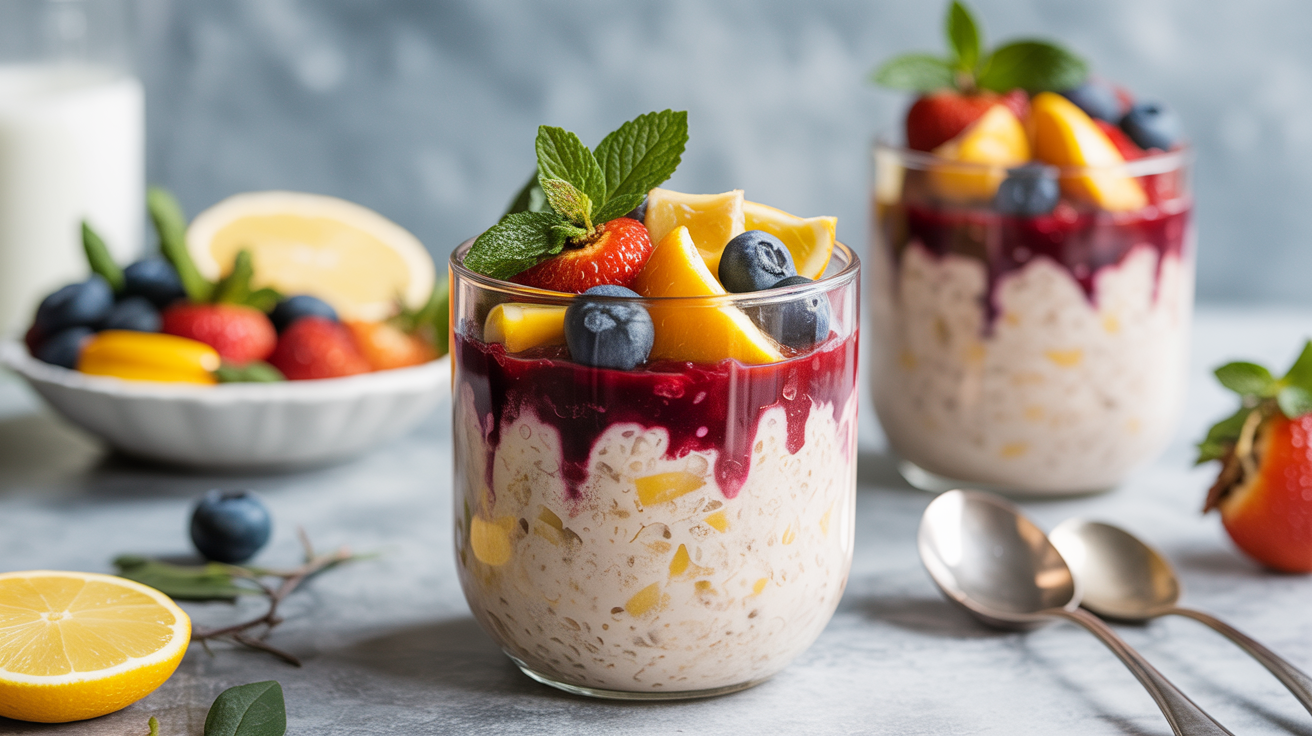
Overnight oats are a fine option. But after the third week in a row, they start to feel less like a morning win and more like homework. Fortunately, there are several other solid make-ahead breakfast ideas that hold up just as well in the fridge or freezer, require about the same hands-on time, and give your week a lot more variety.
The five options below each have different textures, protein levels, and storage lives, so you can mix and match depending on what your week looks like.
Egg Muffins
Egg muffins (sometimes called egg cups) are one of the most practical breakfast preps you can do. They take about 30 minutes on a Sunday, produce 12 servings in a standard muffin tin, and reheat in under 90 seconds.
How to Make Them
Preheat your oven to 350°F (175°C) and grease a 12-cup muffin tin well. Crack 8 large eggs into a bowl, add 1/4 cup (60ml) of milk, a pinch of salt, and whisk until combined. Divide any mix-ins among the cups first: diced peppers, cooked crumbled sausage, chopped spinach, shredded cheddar. Pour the egg mixture over the top, filling each cup about three-quarters full. Bake for 18 to 22 minutes, until the centers are just set and the edges have pulled away from the sides slightly. Let them cool in the pan for 5 minutes before popping them out.
Storage and Reheating
Egg muffins are a cooked egg dish, and Michigan State University Extension's food safety guidance recommends refrigerating leftover cooked egg dishes and using them within 3 to 4 days, and never leaving them out of the fridge for more than 2 hours. That lines up with how egg muffins actually hold in practice: keep them in an airtight container in the refrigerator for up to 4 days. To reheat, microwave on medium power for 60 to 75 seconds. If you prefer not to use a microwave, place them on a baking sheet at 300°F (150°C) for 8 to 10 minutes. They also freeze well: wrap each one individually in plastic wrap, place them in a zip-top bag, and freeze for up to 2 months. Thaw overnight in the fridge or add 30 to 45 seconds to the microwave time when heating from frozen.
The biggest mistake with egg muffins is overcooking them during the initial bake. They continue to firm up as they cool, so pulling them out when the centers still look slightly underdone gives you a better texture after reheating.
Breakfast Burritos
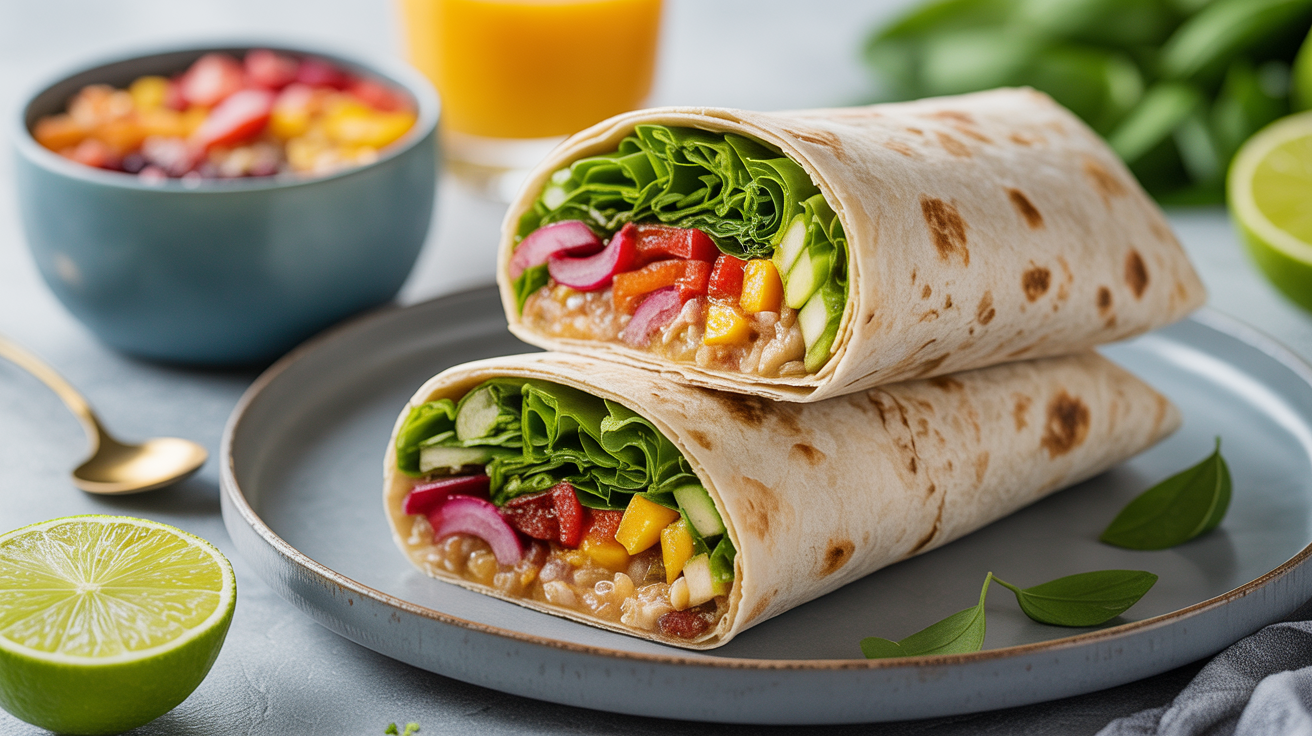
A breakfast burrito is one of the better freezer meals you can make. The format holds up better than most people expect, and having a stack of them in the freezer means a hot, filling breakfast in about 3 minutes.
Building the Burritos
The key is keeping moisture under control. Cook your eggs scrambled, but pull them off the heat a little early since they'll finish cooking when you reheat. Let the filling cool to room temperature before assembling. A basic formula: 2 scrambled eggs, 2 tablespoons (30g) of black beans (drained and patted dry), 2 tablespoons (30g) of cooked potato or rice, and a small amount of shredded cheese per burrito. Use large (10-inch / 25cm) flour tortillas so you have room to fold properly. Skip fresh salsa inside the burrito itself; add it after reheating.
Wrap each assembled burrito tightly in aluminum foil. Freeze flat on a baking sheet first, then transfer to a zip-top bag once solid. They keep in the freezer for up to 3 months.
Reheating Without Sogginess
Unwrap from the foil and wrap the burrito in a damp paper towel before microwaving. Heat on high for 2 minutes, flip, then continue for another 60 to 90 seconds until hot throughout. The damp towel keeps the tortilla from drying out and getting tough.
For a crispier result, reheat in the foil in a 350°F (175°C) oven for 25 to 30 minutes from frozen, then unwrap and toast in a dry skillet for 2 minutes per side.
Chia Pudding
Chia pudding gets lumped in with overnight oats because the process is similar, but the result is quite different. The texture is more like a tapioca pudding than a bowl of oats, and the base is much more neutral, which means the flavor variations are wider.
The Ratio That Works
The standard ratio is 3 tablespoons (30g) of chia seeds to 1 cup (240ml) of liquid. Milk (dairy or plant-based), coconut milk, and even strong brewed tea all work. Add a teaspoon of vanilla extract and a small amount of sweetener if you want, then stir well. Stir again after 5 minutes to break up any clumping, then cover and refrigerate for at least 4 hours or overnight.
Chia pudding keeps for 4 to 5 days in the refrigerator, which gives it a longer shelf life than most other make-ahead breakfasts. Stir before serving and add toppings like fresh fruit, toasted coconut flakes, or a small drizzle of honey. If the pudding thickens more than you like after a couple of days, thin it with a splash of milk and stir.
Yogurt Parfait Jars
Yogurt parfaits have an obvious problem when you build them in advance: the granola turns soggy within a few hours. The fix is simple and takes 30 seconds.
Assembling Jars That Stay Good
Use wide-mouth pint mason jars (500ml). Layer the yogurt in first (about 3/4 cup / 180g of plain Greek yogurt works well), then add any fruit or jam. Leave the granola out entirely. Store the jars in the fridge for up to 4 days. Keep a small container of granola on the counter or in a separate bag. Add it right before eating.
The yogurt layer absorbs any liquid from the fruit over a few days, which actually softens and slightly sweetens it in a good way. Greek yogurt holds up better than regular yogurt here because it's thicker to begin with.
For a higher-protein option, stir 1 to 2 tablespoons (15 to 30g) of nut butter into the yogurt layer before assembling.
Freezer-Friendly Pancakes
Homemade pancakes freeze remarkably well, and they reheat faster and taste better than boxed frozen pancakes from the store. Making a double or triple batch on a weekend morning takes maybe 20 extra minutes and gives you breakfasts for several weeks.
See the guide to freezer-friendly meals for more tips on which foods freeze well and how to avoid common texture problems.
Making and Storing a Big Batch
Cook pancakes at medium heat (about 325°F / 165°C on an electric griddle) until bubbles form across the surface and the edges look set, about 2 to 3 minutes per side. Let them cool completely on a wire rack. Cooling them first prevents ice crystals from forming and keeps them from sticking together in the freezer.
Once cool, arrange them in a single layer on a baking sheet and freeze for 1 hour. Then stack them in a zip-top bag with a small square of parchment paper between each pancake. They keep for up to 2 months.
Reheating Options
The toaster is the best method. Two to three minutes on a medium setting gives you a pancake that's warm through the middle with slightly crisp edges. The microwave works too: 30 seconds per pancake at full power, though the texture will be softer. An oven at 350°F (175°C) for 6 to 8 minutes on a baking sheet is good if you're reheating a larger stack at once.
If you want to read more about the classic version of overnight-style breakfasts, the overnight oats guide covers ratios, texture adjustments, and flavor combinations.
Frequently Asked Questions
How far in advance can I make these breakfasts?
Egg muffins and yogurt parfait jars (without granola) last up to 4 days in the refrigerator. Chia pudding keeps for 4 to 5 days. Breakfast burritos and pancakes can be frozen for up to 2 to 3 months, making them the best options if you want to prep further ahead.
Can I prep egg muffins without a muffin tin?
Yes. Use a silicone muffin mold, which also makes removing the egg muffins much easier since the flexible material releases them cleanly. Ramekins also work for individual portions; increase the bake time by 3 to 5 minutes.
Do chia seeds need to be soaked before making chia pudding?
No soaking step is necessary. The chia seeds hydrate directly in the liquid as the pudding sets. The 5-minute stir at the start is the only active step required to prevent clumping.
What is the best container for storing breakfast burritos in the freezer?
Wrap each burrito individually in aluminum foil, then place all of them in a large zip-top freezer bag. Label the bag with the date. This double layer protects against freezer burn better than foil alone or a single container.
Can I make pancakes ahead and refrigerate them instead of freezing?
Yes, though the fridge life is only 2 to 3 days. For refrigerated pancakes, reheating in a dry skillet over medium-low heat for about 1 to 2 minutes per side gives better results than the microwave, which can make them gummy.