Meal Prep
Freezer-Friendly Meals That Reheat Beautifully
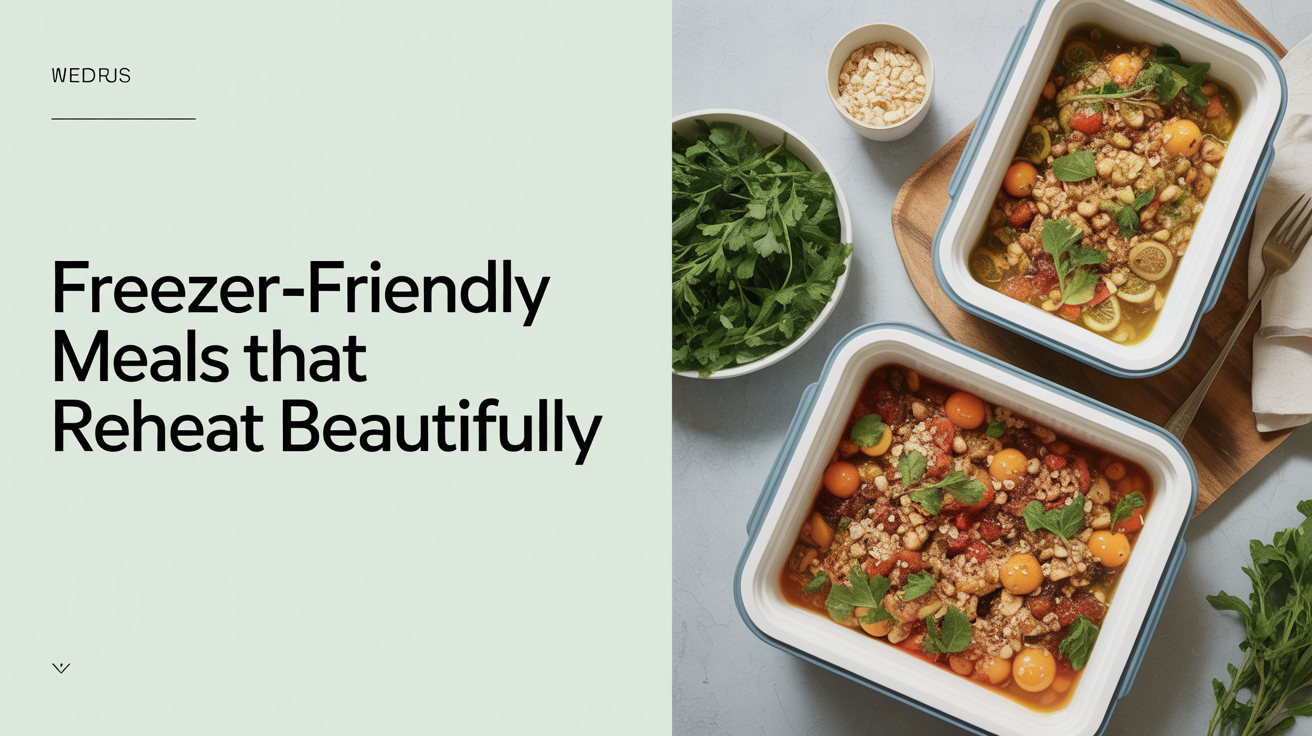
Freezing meals is one of those habits that sounds obvious until you pull out a container of ruined pasta or a soup that's gone watery and grey. Getting it right takes a bit more thought than just dumping leftovers in a bag, but once you understand what the freezer actually does to food, it's not that complicated.
Key takeaways
- Braises, stews, soups, and cooked grains freeze reliably. Cream sauces, mashed potatoes, and raw high-water vegetables don't.
- Freeze food flat in bags on a sheet tray first, then stack once solid. It saves space and thaws faster.
- Overnight in the fridge is the safest thaw method. Counter thawing puts food in the temperature danger zone for hours.
- Most cooked meals hold good quality for two to three months, not indefinitely.
- Freezing mutes salt and acid. Always taste and re-season after reheating.
What freezes well and what doesn't
The short answer: anything with a sauce, broth, or fat holds up. Anything delicate, dairy-heavy, or crunchy doesn't.
Foods that freeze reliably
Braises and stews are the best candidates. Beef chili, chicken thighs in tomato sauce, white bean and sausage soup, lentil dal, these all come out of the freezer essentially identical to how they went in. The liquid protects the protein from drying out, and the low-and-slow cooking they started with means the texture can absorb another heat cycle without falling apart.
Grains freeze better than most people expect. Cooked rice, farro, and quinoa thaw quickly and reheat well with a splash of water in the microwave. Brown rice actually stays fluffier from frozen than it does after a few days in the fridge.
Raw proteins freeze well if handled correctly. Chicken breasts, ground beef, salmon fillets, seal them tight, freeze within a day or two of purchase, and they'll be fine for two to three months.
Foods that don't survive the freezer
Pasta is tricky. Pasta frozen in sauce turns mushy because it keeps absorbing liquid. If you want to freeze a pasta dish, undercook the pasta by two minutes, freeze it in the sauce but in a single layer if possible, and reheat gently. It won't be perfect, but it's edible.
Dairy breaks down. Cream sauces, sour cream-based dips, and custards separate when frozen and thawed. The fat and water stop binding together. You can sometimes whisk a cream sauce back together, but often you can't. Better to freeze the base and add the cream when reheating.
Potatoes get grainy. The water inside potato cells expands when frozen and ruptures the cell walls. Mashed potatoes are the worst offender, they turn gluey. Roasted potatoes come out soft. The exception is potatoes cooked inside a soup or stew where the surrounding liquid cushions the cell damage somewhat.
Raw vegetables with high water content, cucumbers, lettuce, tomatoes, turn to mush. Blanched vegetables do fine.
| Food | Freezes well? | Notes |
|---|---|---|
| Beef/chicken stew | Yes | Up to 3 months |
| Tomato-based pasta sauce | Yes | Freeze sauce separately from pasta |
| Cooked rice and grains | Yes | Add a splash of water when reheating |
| Cream sauces | No | Separate on thawing |
| Mashed potatoes | No | Turn gluey |
| Cooked pasta (in sauce) | Partially | Undercook pasta by 2 min first |
| Soups with broth | Yes | Up to 3 months |
| Raw proteins (chicken, beef) | Yes | 2 to 3 months max |
| Blanched vegetables | Yes | Great for stir-fries |
| Fresh herbs | Partially | Freeze in oil for cooking; texture lost |
How to package meals to avoid freezer burn
Freezer burn happens when moisture escapes from food and ice crystals form on the surface. The food isn't unsafe to eat, but the texture gets dry and the flavor goes flat. Preventing it comes down to two things: keeping air out and using the right containers.
Containers that work
Heavy-duty freezer bags are the most practical option for most meals. Lay the bag flat on a sheet tray to freeze, then stack the frozen slabs vertically once solid. This saves a lot of space and the flat shape means food thaws faster. Press out as much air as possible before sealing, you don't need a vacuum sealer, just seal the bag almost shut, press the air toward the opening, then seal the last inch.
Rigid containers work well for soups and things you'll reheat directly in the container. Glass works but expands with liquid, always leave an inch of headspace or it'll crack. BPA-free deli containers (the ones Chinese takeout comes in) are honestly great for this; they stack, they're cheap, and they go from freezer to microwave.
If you're using glass, let it thaw in the fridge overnight before putting it in the microwave. Cold glass and sudden heat is how you get a cracked container and soup on the floor.
For individual portions, silicone muffin tins are useful. Freeze soups, tomato sauce, or pesto in muffin-tin portions, then pop them out and store in a bag. Each puck is roughly half a cup, easy to grab one or two at a time.
Labeling
Label everything with the contents and the date before it goes in the freezer. This sounds obvious, but three-month-old beef chili and three-month-old lentil soup look identical when frozen. A strip of masking tape and a Sharpie is all you need. Write the date you made it, not the date you froze it, they're usually the same, but not always.
If you're building up a larger make ahead freezer meals stockpile, tape a list to the outside of the freezer door and cross things off as you use them. Otherwise you forget what's in there and things get buried.
Thawing without wrecking the texture
Most food should thaw in the refrigerator, not on the counter. Room-temperature thawing puts the outer layers of food into the danger zone (40 to 140°F) for hours while the center is still frozen. For anything with meat, this matters.
Overnight fridge thaw
This is the safest and gives the best results. Move the container from freezer to fridge the night before you want to eat it. Flat frozen bags thaw in six to eight hours. A quart container of soup takes twelve.
Cold water thaw
For faster thawing, seal the meal in a leak-proof bag and submerge it in cold water. Change the water every 30 minutes to keep it cold. A pound of ground beef thaws in about an hour this way. A larger container might take two to three hours. Don't use warm water, it thaws unevenly and again, outer layers sit at unsafe temperatures.
Thawing directly from frozen
Soups and stews can go straight from freezer to stovetop if you have a bag or container you can slip into a pot of warm water first to loosen the block. Once it's partially thawed and slideable, go straight into a saucepan on low heat with a lid on, stirring occasionally. This works fine.
Reheating methods that don't ruin texture
The microwave gets a bad reputation, but it's usually the right tool. The stovetop is better for soups and sauces. The oven is better for casseroles and baked things. The mistake most people make is reheating too fast on too high a heat.
Stovetop for soups and braises
Pour the thawed meal into a saucepan, add a splash of water or broth if it looks thick, and heat over medium-low with a lid on. Stir every few minutes. This takes longer than the microwave but keeps texture intact, especially for beans, which can burst if nuked on high.
For high-protein meal prep dishes like chicken in sauce, this method keeps the meat from drying out. Medium-low heat, covered, until it hits temperature throughout.
Microwave for grains and rice
Add a tablespoon of water per cup of rice or grain, cover loosely (not airtight, steam needs to escape), and microwave in 60-second bursts, stirring between each. Two to three minutes is usually enough. The water creates steam that re-fluffs the grains without making them wet.
Oven for casseroles and baked dishes
Thaw overnight in the fridge first. Then cover with foil and bake at 325°F until the center is hot, which usually takes 30 to 45 minutes for a family-size dish. Remove the foil for the last ten minutes if you want the top to re-crisp. Skipping the foil means the top browns and dries out before the center heats through.
Common mistakes and how to fix them
Freezing food while still hot. This raises the temperature inside the freezer and causes condensation, which becomes ice crystals on your food. Let things cool to room temperature first, then refrigerate until fully cold before freezing.
Overfilling containers. Liquid expands when it freezes. Leave at least an inch of headspace in any rigid container or the lid will pop off (or the container will crack).
Freezing in one giant block. A gallon zip bag of chili takes a day and a half to thaw and reheats unevenly. Freeze in meal-sized portions, two to four servings per container. Pair this with good meal prep containers and the whole system gets much easier to manage.
Not tasting before serving. Freezing slightly mutes flavors, especially salt and acid. Once reheated, taste and adjust, a squeeze of lemon, a pinch of salt, a spoonful of fresh herbs. Three seconds of effort and the dish tastes fresh.
Using flimsy bags. Regular zip bags are not freezer bags. They're thinner and let air through. Freezer bags have a thicker film and a double seal. The difference in freezer burn risk is real.
Frequently Asked Questions
How long do freezer meals actually last?
Most cooked meals hold good quality for two to three months. They're technically safe to eat after that, freezing stops bacterial growth, but texture and flavor decline. Ground beef and raw chicken are best used within three months. Soups and stews are fine for up to three months. Baked goods last longer, up to six months.
Can I refreeze something I've already thawed?
Yes, if it was thawed in the refrigerator and hasn't been sitting out. The common warning against refreezing is about quality loss, not safety. Each freeze-thaw cycle does break down texture further, so it's not ideal, but it's not dangerous. If you thawed on the counter for hours, throw it out.
Do I need a vacuum sealer?
No. A vacuum sealer extends freezer life and reduces freezer burn, but it's not necessary. Pressing air out of zip bags manually works well for meals eaten within two months. If you're building a six-month stockpile, a vacuum sealer is worth the investment. For weekly meal prep, it's overkill.
Why does my frozen soup taste bland when reheated?
Freezing dulls salt and acid. It doesn't remove them, but the cold suppresses how strongly you perceive them. Reheat fully, then taste and season again. A squeeze of lemon juice or a splash of vinegar usually brings the flavors back into focus. Salt added cold to a hot dish also distributes unevenly, stir and wait 30 seconds before tasting again.
References
- Freezing and Food Quality, National Center for Home Food Preservation covers general home-freezing storage times and technique in more depth.
- Food Safety Prevention, Centers for Disease Control and Prevention has broader guidance on safe temperature ranges relevant to thawing and reheating.