Recipes
Quick Egg Dinners for Nights When Nothing Sounds Good
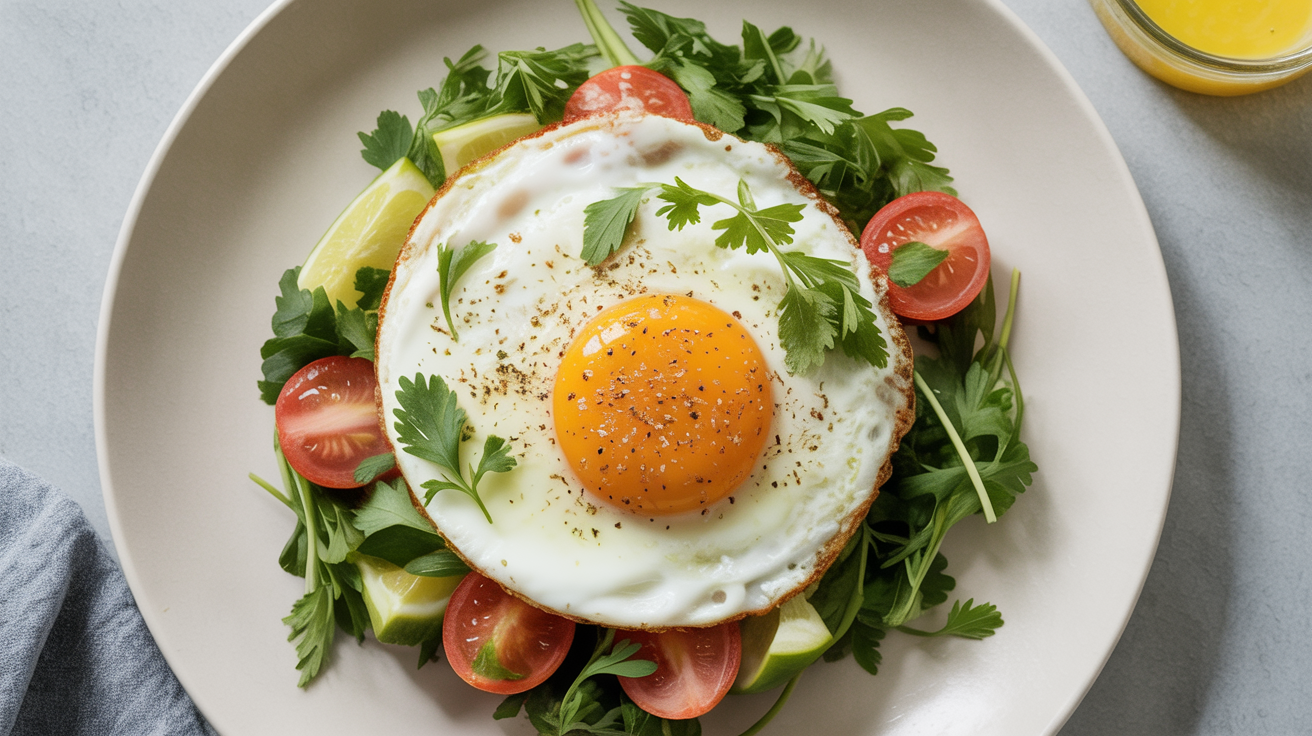
Quick Take
- Four formulas, four textures: shakshuka poaches eggs in sauce, frittata sets them in the oven, fried rice chars them at high heat, and a scramble folds them low and slow.
- Every recipe here takes 20 minutes or less and uses pantry staples.
- Day-old rice makes better fried rice than fresh, because the drier grains separate instead of clumping.
- Pull scrambled eggs and shakshuka off the heat slightly before they look done. Residual heat finishes the job.
- Runny-yolk dishes like shakshuka are a texture choice, not a food safety shortcut, if you're serving someone at higher risk from undercooked eggs.
The kind of night when nothing sounds good is usually the kind of night when you need something satisfying, not elaborate. Eggs are often the answer. They cook fast, they pair with almost anything already in your pantry or fridge, and they hold up as a real dinner rather than a fallback you apologize for.
These easy egg dinner recipes are built around four reliable formulas: shakshuka, frittata, fried rice with egg, and a properly built scramble. Each one comes together in under 20 minutes, and none of them require a special trip to the store.
Why Eggs Work for Dinner
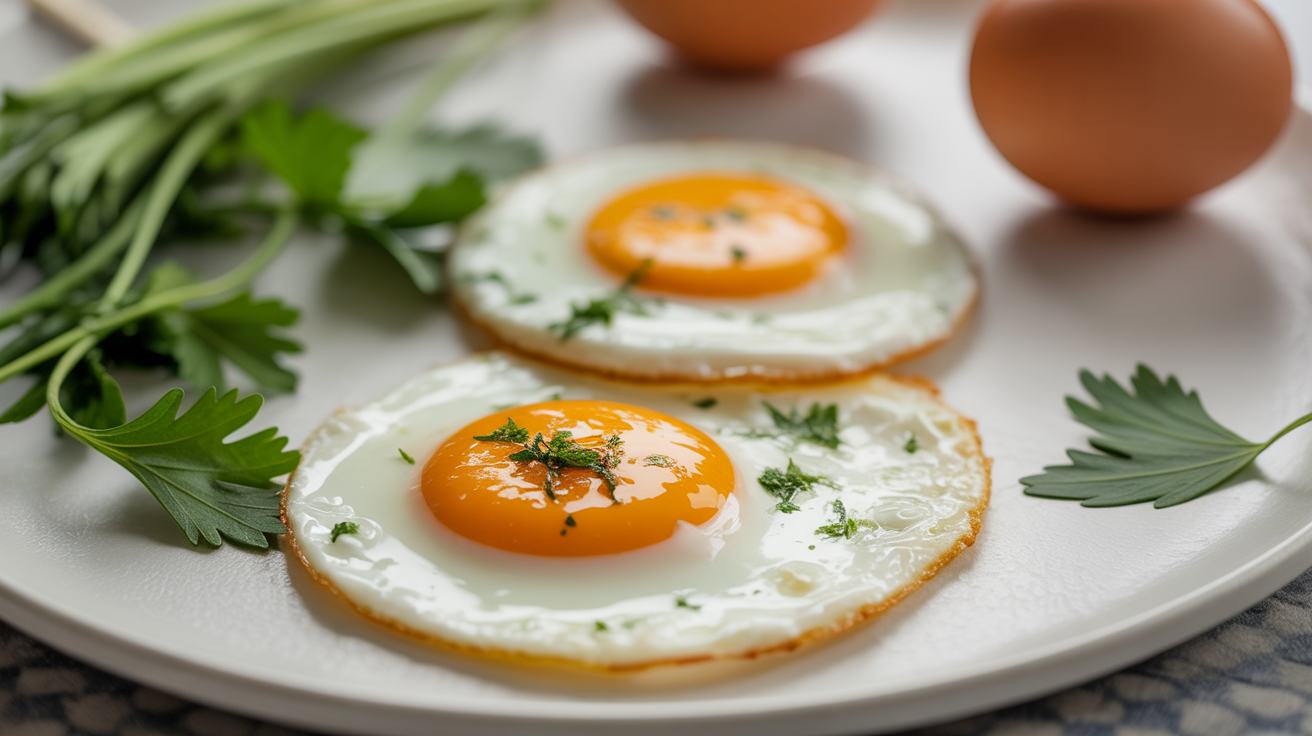
The case for eggs at dinner has nothing to do with budget. It's about the cooking window. An egg cooks through in 2 to 4 minutes, which makes it one of the only proteins that can carry a full meal inside a tight schedule. They also absorb flavor from whatever they're cooked alongside, so a handful of aromatics transforms a plain egg into something that tastes considered.
The four recipes below each use eggs differently. Shakshuka keeps the yolk runny by treating the egg as a delicate protein poached inside a saucy base. Frittata uses the oven to set the egg evenly without drying it out. Fried rice tosses the egg in at high heat for a bit of char and texture. A proper scramble coaxes the egg into soft, custardy folds by keeping the heat low and the spatula moving. Different tools, different textures, all fast.
| Method | Time | Heat | Result |
|---|---|---|---|
| Shakshuka | 15-18 min | Medium-low, covered | Runny yolk, set white |
| Frittata | 15-17 min | Stovetop start, oven finish | Firm, sliceable |
| Egg fried rice | 15 min | High, uncovered | Charred rice, loose curds |
| Scramble | 4-5 min | Low, constant motion | Soft, custardy curds |
Shakshuka: Eggs Poached in Tomato Sauce
Shakshuka is one of those dishes that looks considerably more involved than it is. The base is tomato sauce, and the eggs are cracked directly into it. The sauce does the cooking.
Building the Sauce
Heat 2 tablespoons of olive oil in a wide, deep skillet over medium heat. Add one diced onion and two minced garlic cloves, cooking for about 5 minutes until soft. Add 1 teaspoon of cumin, 1/2 teaspoon of smoked paprika, and a pinch of cayenne. Stir for 30 seconds, then add one 28-ounce (800g) can of crushed tomatoes. Season with salt and let the sauce simmer for 8 to 10 minutes until it thickens slightly.
Poaching the Eggs
Make small wells in the sauce with the back of a spoon. Crack one egg into each well. Four eggs fit comfortably in a standard 12-inch skillet. Cover with a lid and cook over medium-low heat until the whites are set but the yolks still jiggle, about 4 to 6 minutes. Pull the pan off the heat a little earlier than you think, since the residual heat will carry the whites through another minute. Serve with crusty bread or pita for scooping. Crumbled feta and fresh herbs make a good finish if you have them.
Frittata: The Oven Finish Is What Makes It
A frittata is a baked egg dish, and the oven step is what sets it apart from a scramble. You start it on the stovetop, and the oven sets the top without scrambling the eggs. The result is a thick, sliceable dish that works as dinner with a side salad.
Building the Base
Preheat your oven to 375°F (190°C). In a 10-inch oven-safe skillet, heat 1 tablespoon of olive oil or butter over medium heat. Add whatever vegetables you have, roughly 1 to 1.5 cups total. Sliced zucchini, diced bell pepper, spinach, mushrooms, or frozen peas all work. Cook until softened, about 4 to 5 minutes.
Beat 6 large eggs with 2 tablespoons of milk or water, a pinch of salt, and black pepper. Pour the egg mixture over the vegetables. Let it cook undisturbed for 2 minutes, just until the edges begin to set. Transfer the pan to the oven and bake for 10 to 12 minutes, until the center is just firm and the top is no longer glossy. Rest for 2 minutes before cutting. It slices cleanly and holds its shape on the plate.
Egg Fried Rice: A 15-Minute Dinner
Egg fried rice is the fastest route from cooked rice to a full meal. Day-old rice works best because the grains are drier and separate more easily in the pan. Fresh-cooked rice from a packet or leftover takeout rice both work fine. For guidance on cooking a reliable batch from scratch, see how to cook rice.
The Heat and the Sequence
Use your largest skillet or a wok over high heat. Add 1 tablespoon of neutral oil (vegetable or avocado oil) and let the pan get properly hot, about 30 seconds. Add 2 cups (roughly 300g) of cold cooked rice. Press it into the pan and let it sit undisturbed for 1 to 2 minutes to develop some color and a bit of crispness. Break it up and toss.
Push the rice to one side. Add a small pour of oil to the cleared space and crack in 2 to 3 eggs. Scramble them quickly in that spot, then fold them into the rice before they're fully set. Add 2 tablespoons of soy sauce, 1 teaspoon of sesame oil, and sliced scallions. Toss everything together and cook for another minute. That's the whole recipe.
Frozen peas or corn, a little grated ginger, and any leftover cooked protein can go in alongside the rice. The sequence matters: rice first to get color, eggs next to keep them loose, sauces last so they don't steam everything into mush.
Simple Scrambles That Actually Satisfy
A scrambled egg dinner sounds underwhelming until you treat it as a real recipe. The technique is what separates a good scramble from a rubbery pile.
Low Heat, Constant Motion
Melt 1 tablespoon of butter in a non-stick skillet over medium-low heat. Beat 3 or 4 eggs with a fork, just until the whites and yolks are combined but not foamy. Pour them into the pan. Using a silicone spatula, push the eggs slowly from the edges toward the center. Move them continuously but gently. The goal is large, soft curds with no browning on the bottom.
Pull the pan off the heat while the eggs still look slightly underdone. They'll finish from residual heat in about 30 seconds off the burner. The whole process takes 3 to 4 minutes.
Pile these onto thick toast, spoon them over sauteed mushrooms and greens, or serve alongside a quick bean side: a can of white beans warmed with garlic and olive oil takes about 5 minutes and turns a scramble into a proper dinner plate. For more ways to build a fast weeknight meal, see 30-minute meals.
Frequently Asked Questions
Can I use egg whites instead of whole eggs?
Egg whites work in scrambles and frittatas, though the texture will be less rich and the flavor more neutral. For shakshuka and fried rice, yolks contribute a lot of body and flavor to the dish, so whole eggs are the better choice there. If you do use egg whites, increase the quantity slightly: three egg whites replace roughly two whole eggs by volume.
What temperature should the pan be for egg fried rice?
High heat, around 450°F (230°C) on an electric burner or a full flame on gas. That heat is what creates the slightly charred, separated texture that defines fried rice. If the pan isn't hot enough, the rice steams instead of fries and turns soft and clumped. Let the pan heat for a full 30 seconds before adding oil, and the oil for another 15 seconds before adding the rice.
How do I tell when the eggs in shakshuka are done?
Watch the whites. When they are fully opaque and no longer translucent or wobbly, the eggs are set. The yolks should still jiggle when you tilt the pan. Covering the skillet with a lid traps steam and helps the whites cook faster without overcooking the yolks. For firmer yolks, leave the lid on for an additional 2 minutes after you'd normally pull the pan.
Can I make a frittata without an oven-safe skillet?
Yes. After the stovetop step, cover the skillet tightly with a lid and reduce the heat to very low. The trapped steam will set the top of the frittata in about 8 to 10 minutes. The result is a bit more tender than the oven version but perfectly good. Avoid lifting the lid during those 8 minutes or the steam escapes and the top stays wet.
Should I salt eggs before or after cooking?
Salt added before cooking draws moisture out of the eggs and can make scrambles slightly wet. For scrambles, add salt just before plating. For frittatas, salting the beaten egg mixture before it goes into the pan is fine since the gentler oven heat doesn't pull much moisture. In shakshuka, the sauce carries most of the seasoning, so a pinch of salt directly on the eggs is optional rather than necessary.
Further Reading
- Michigan State University Extension: Playing It Safe with Eggs covers safe egg cooking temperatures, which matters if you're serving a runny-yolk dish like shakshuka to someone at higher risk from undercooked eggs.
- Wikipedia: Shakshouka has more on the dish's Maghrebi roots and how it spread through Israeli and Middle Eastern cooking.