Techniques
How to Cook Fluffy Rice Without a Rice Cooker
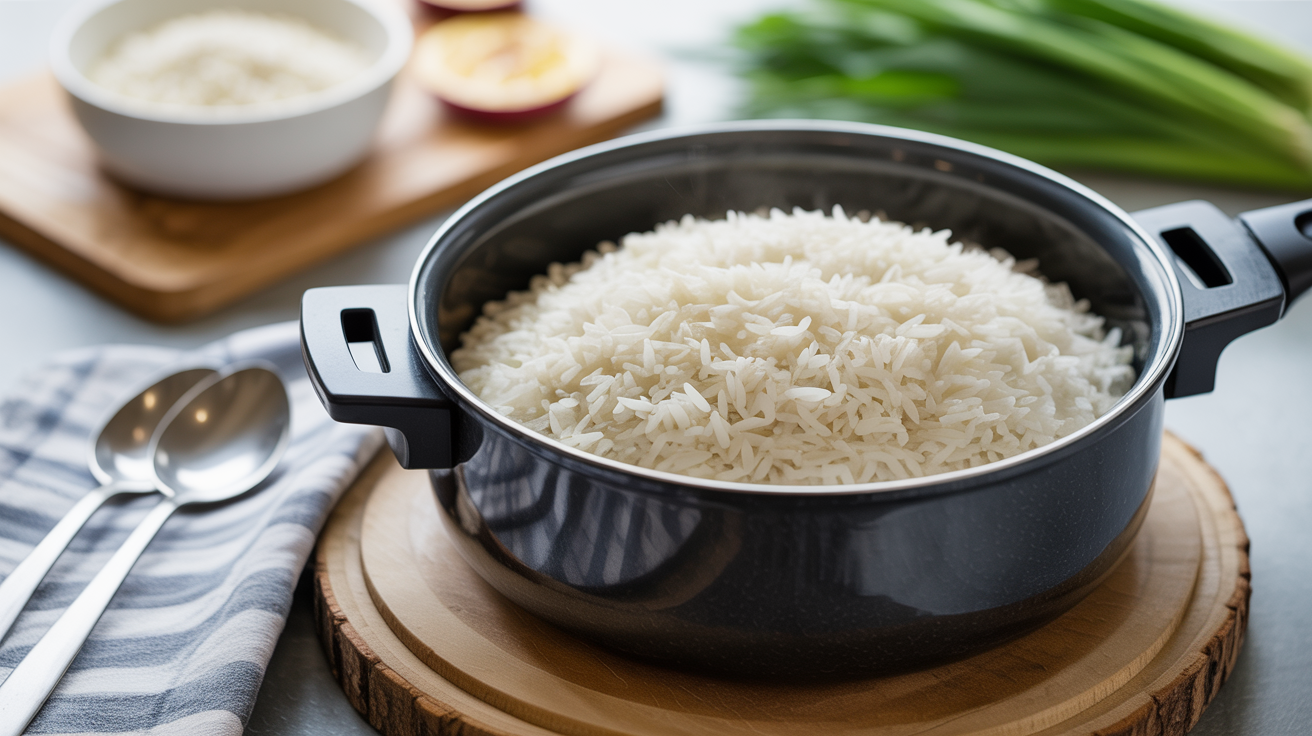
Stovetop rice has a reputation it doesn't deserve. People buy rice cookers because they've burned a pot or two, declared themselves bad at rice, and decided the machine was the answer. But the stovetop method works fine. It just requires understanding what's actually happening in the pot.
What rinsing does (and when to skip it)
Rinsing rice removes surface starch. That surface starch is what makes rice clump together and turn gluey when cooked, so if you want separate, fluffy grains, you rinse. Put the rice in a bowl, cover with cold water, swirl it around, and pour off the cloudy water. Repeat until the water runs mostly clear, usually 2 to 3 times.
The exception is dishes that need that starch. Risotto, rice pudding, and sushi rice either skip rinsing or actively want the stickiness. For plain white rice to serve alongside roasted vegetables or a seared steak, rinse it.
Should you soak rice?
For long-grain white rice, soaking for 30 minutes before cooking shortens cook time slightly and can produce more even texture. It's not required, but if you have the time, it helps. For brown rice, a 1-hour soak makes a real difference. Brown rice takes 40 to 45 minutes to cook without soaking, and soaking can bring that closer to 30.
The water ratio: where most mistakes happen
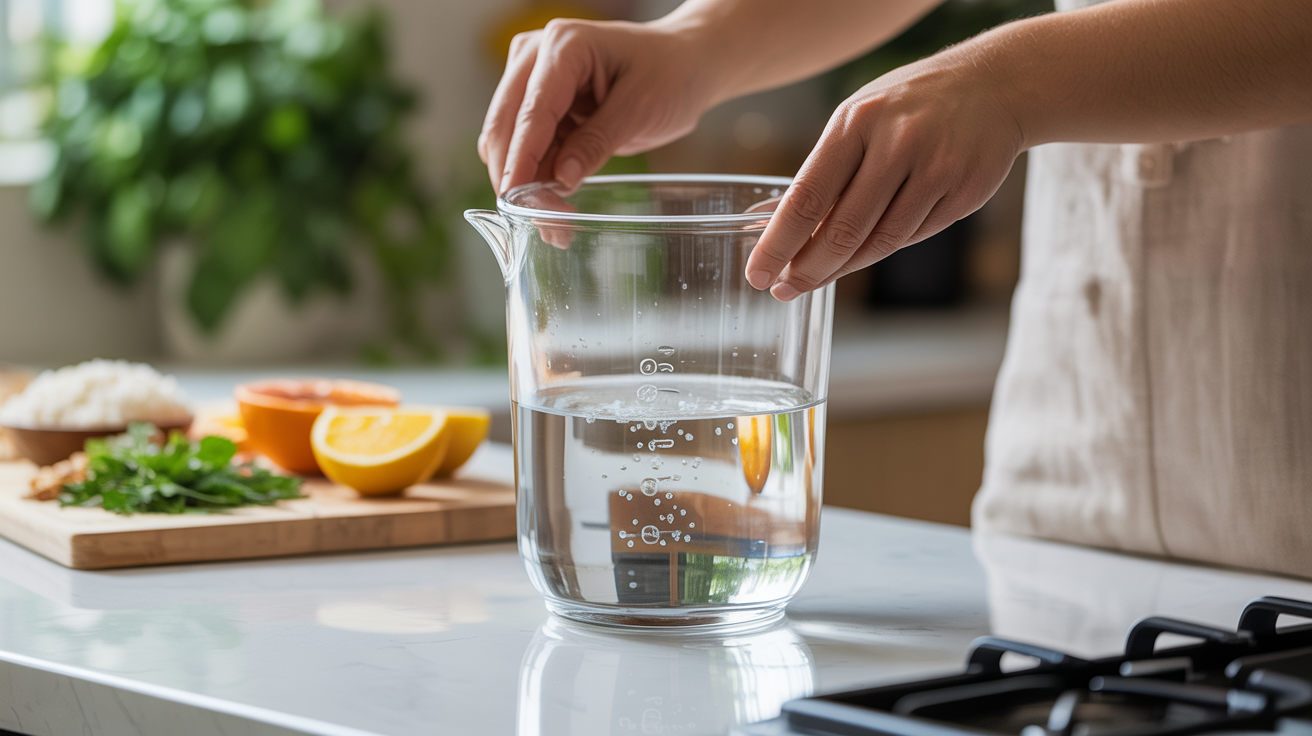
The single biggest source of bad rice is using the wrong amount of water. The ratio varies by rice type, and the number on most packaging, usually 1:2, one cup rice to two cups water, is wrong for long-grain white rice on the stovetop. That ratio produces soft, slightly sticky rice. For fluffy and separate, 1:1.5 is closer to correct.
| Rice type | Water ratio (rice : water) | Cook time | Rest time |
|---|---|---|---|
| Long-grain white | 1 : 1.5 | 15–18 min | 10 min |
| Short-grain white | 1 : 1.25 | 15 min | 10 min |
| Basmati | 1 : 1.5 | 12–15 min | 5 min |
| Jasmine | 1 : 1.25 | 15 min | 10 min |
| Brown rice | 1 : 2 | 40–45 min | 15 min |
| Wild rice | 1 : 3 | 45–55 min | 10 min |
These ratios assume a covered pot and a proper simmer. High altitude, very old rice, or a lid that doesn't seal well may require adjustments, usually a tablespoon or two more water.
Salt and fat
Add salt to the water before cooking, not after. A half teaspoon per cup of dry rice is a reasonable starting point. Some cooks add a teaspoon of butter or oil to the water; it coats the starch granules and helps keep grains separate. It won't make or break the rice, but it doesn't hurt.
The stovetop method, step by step
Combine rinsed rice and measured water in a medium saucepan. The pot should be big enough that the rice isn't packed in tight. A 2-quart saucepan works for up to 2 cups of dry rice.
Bring to a boil over medium-high heat, uncovered. Once it's at a full boil, stir once, reduce heat to the lowest setting your burner can manage, and put the lid on. Leave it alone. Don't lift the lid. The steam trapped inside is doing most of the work, and every time you lift the lid you lose it.
For long-grain white rice, cook on that low heat for 15 to 18 minutes. You'll hear it simmering quietly for most of the cook time, then it goes nearly silent. That's a sign the water has been absorbed. Don't let it sit on heat much past this point or the bottom will scorch.
The rest
Take the pot off heat and let it sit, still covered, for 10 minutes. This step matters more than people realize. The residual steam finishes cooking the grains through without making them waterlogged, and it lets the starches set so the rice holds its shape when you fluff it. Skip the rest and you'll get rice that's wet on the surface and slightly undercooked in the center.
After 10 minutes, remove the lid and use a fork to fluff the rice with a gentle lifting motion. Don't stir. Stirring breaks the grains and makes the texture gluey.
Common failures and what to fix
Mushy rice
Mushy rice means too much water or too much heat. If your ratio was right, the culprit is usually heat: the simmer was too aggressive and drove in more steam than the grains could absorb cleanly. Next time, use the lowest burner setting and keep the lid on.
If it's already mushy: spread the cooked rice on a baking sheet and put it in a 350°F oven for 5 minutes. The dry heat evaporates some of the excess moisture. It won't turn mushy rice into perfect rice, but it recovers it enough to eat.
Crunchy or undercooked rice
Crunchy centers mean the rice ran out of water before it finished cooking. If you catch it early, when the pot is dry but the rice is still underdone, add 2 to 3 tablespoons of water, put the lid back on, and cook for another 5 minutes on low. If you're past the point of no return, add water in small increments (never dump a full cup in) and continue simmering.
Rice that's stuck to the bottom
A thin crust stuck to the bottom of the pot is normal and not the problem it looks like. In Persian cooking this crust is called tahdig and it's the best part. If you have more than a thin layer, the heat was too high or you cooked it too long after the water absorbed.
For cleanup: fill the pot with water and let it soak for 20 minutes. The stuck rice releases easily.
Sticky or clumped rice
Rice that clumps together is usually under-rinsed or cooked with too high a ratio. Rinse more thoroughly next time. If you're making something like caramelized onion rice where the onions go into the pot, the extra sugars from the onions can increase sticking, so reduce water by a tablespoon and keep the heat lower.
Frequently Asked Questions
Can I open the lid while rice is cooking?
Better not to. Every time the lid comes off, steam escapes and the cooking environment changes. If you're curious whether it's done, listen to the pot instead of looking. When the sound goes from a soft simmer to near-silence, the water is absorbed. Wait out the full cook time before checking.
Why does my rice come out different every time?
A few variables that affect the result more than people expect: burner intensity (electric and gas burners vary a lot), lid fit (a lid with a vent hole or a poor seal loses steam), and rice age (old rice dried out in storage absorbs water differently than fresh). If you've nailed a ratio that works for your specific burner and brand of rice, write it down.
How do I reheat leftover rice without drying it out, and is it safe?
Sprinkle a tablespoon of water over the rice, cover the bowl with a damp paper towel, and microwave on medium power for 90 seconds. The moisture from the towel and the added water create enough steam to loosen the grains without making them mushy. Alternatively, reheat in a pan over medium-low with a lid and a splash of water, stirring every minute or two.
Rice is one of the few leftovers worth being careful with. Cooked rice can carry spores of Bacillus cereus, a bacteria that survives boiling and can multiply if the rice sits at room temperature too long before it's refrigerated. America's Test Kitchen explains that the safest approach is to get rice into the fridge within an hour of cooking, use it within 3 to 4 days, and reheat it until it's steaming hot all the way through rather than just warm.
Can I cook rice without a lid?
You can, but you'll need significantly more water, closer to a 1:3 ratio, because much more evaporates without a lid. The texture won't be the same. This method (called the pasta method) works for brown rice: boil a large amount of water, add the rice, cook uncovered for 30 minutes, then drain. The result is less fluffy but more consistent if you have trouble regulating heat.