Recipes
Simple Baked Salmon for Busy Weeknights
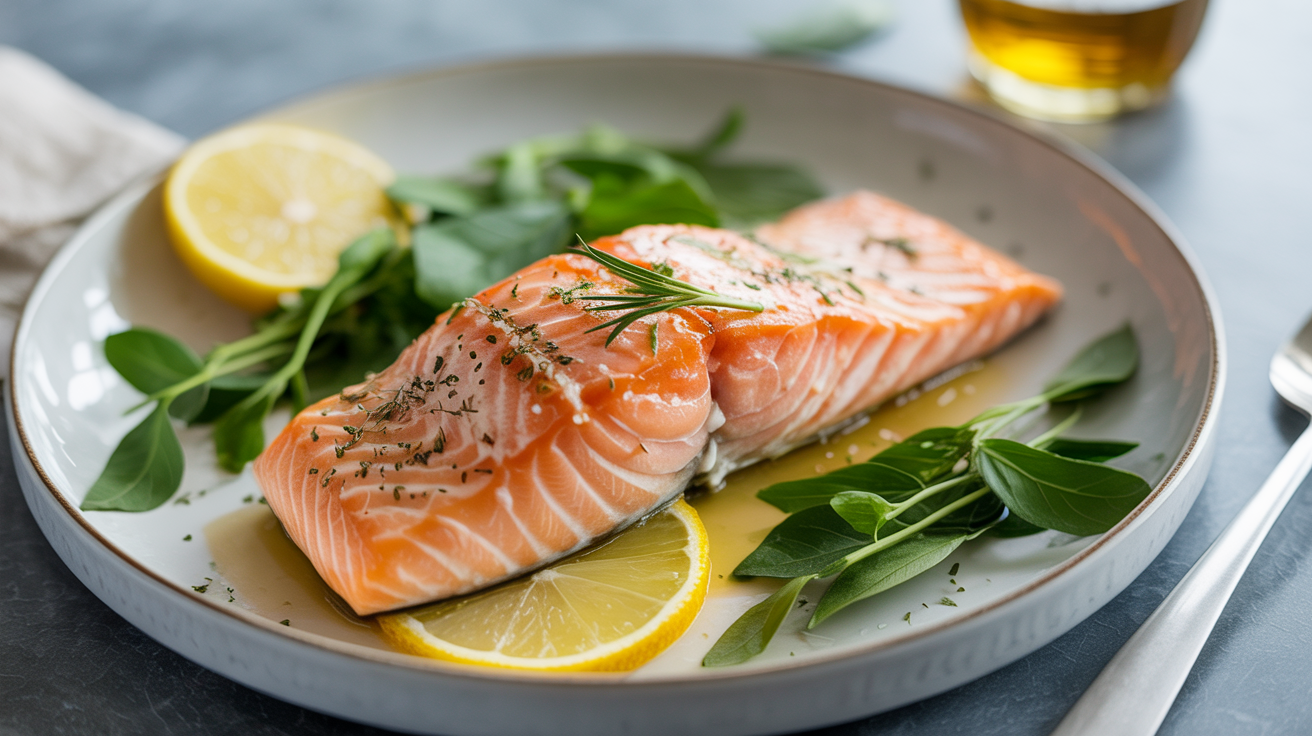
Most nights, salmon has one thing going for it: it cooks fast. The trouble is that a lot of recipes complicate a simple fish with fussy foil tents, basting steps, or oven temperatures that seem chosen at random. This easy baked salmon recipe cuts through all of that. High heat, a four-ingredient marinade, and a clear sense of what done looks like. That's the whole approach.
A Method That Actually Works
The difference between salmon that tastes like a weeknight shortcut and salmon that tastes like something you'd want again usually comes down to two variables: temperature and time.
A lot of recipes call for 375°F (190°C), which produces acceptable results but can leave the surface looking pale and the flesh slightly steamed rather than roasted. Bumping to 425°F (220°C) changes the texture. The outside cooks fast enough to develop a little color and a barely-set crust, while the inside stays moist. You're looking at 12 to 15 minutes for a 6-ounce (170g) fillet about 1 inch thick. Thicker pieces can stretch to 17 minutes; thinner tail pieces closer to 10.
No foil tent needed. Foil traps steam, and steam is what gives you that grayish, slightly sulfurous salmon. An uncovered pan at high heat roasts the fish rather than steaming it, a real difference in the final texture.
The Quick Marinade
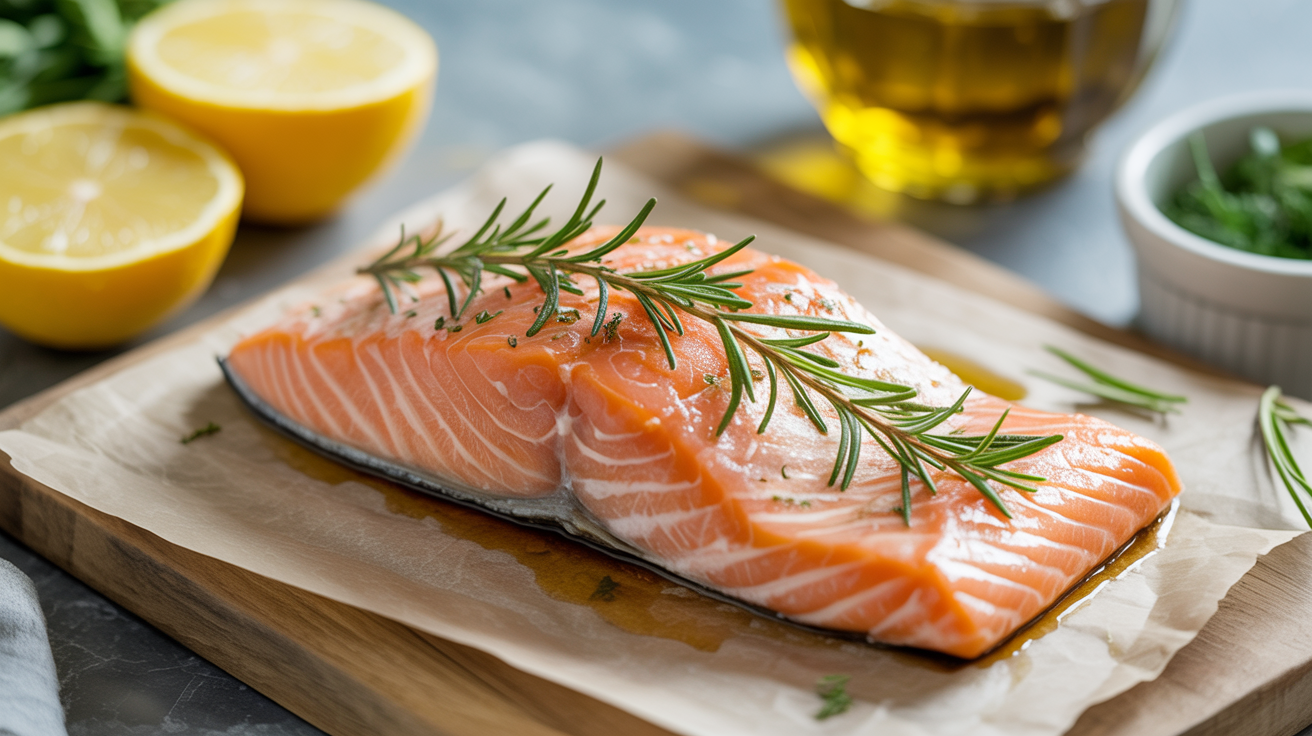
The marinade here does double duty: it adds flavor and keeps the flesh from drying out during the high-heat blast. You don't need long. Fifteen minutes on the counter is enough, or up to an hour in the fridge if you're prepping ahead of the dinner rush.
What Goes Into It
For four 6-ounce (170g) fillets, combine:
- 3 tablespoons quality olive oil (a lighter finishing oil works well here; a fruity extra-virgin reads nicely against the fish)
- 2 tablespoons soy sauce or tamari
- 1 tablespoon fresh lemon juice (about half a lemon)
- 1 teaspoon honey
- 2 garlic cloves, grated or minced
- Freshly ground black pepper to taste
Whisk everything together, pour it over the salmon in a rimmed dish or resealable bag, and leave it while the oven preheats. Salt is skipped here because the soy sauce carries enough. If you're using regular-sodium soy sauce, taste the marinade before adding more salt. It likely won't need any.
Swapping the Flavors
The base ratio (fat, acid, something salty, a touch of sweet) is flexible. Swap the soy for miso thinned with warm water. Replace the lemon with rice vinegar. Add a teaspoon of smoked paprika or a half-teaspoon of chili flakes. The fish takes to most directions because it has enough fat of its own to carry bold flavors.
Baking the Salmon
Pull the salmon from the marinade and set it skin-side down on a baking sheet lined with parchment or lightly oiled foil. Don't crowd the pan. Leave at least an inch between fillets so heat can circulate around each piece. Scrape any garlic from the marinade onto the top of each fillet; it'll toast gently in the oven and add a little depth.
Slide the pan into a preheated 425°F (220°C) oven. Start checking at 12 minutes.
Reading Doneness
Salmon is finicky at the edges of done and overdone. The USDA's safe minimum internal temperature chart lists 145°F (63°C) for fish, which produces a fully opaque, firm fillet. Many home cooks prefer to pull it at 125 to 130°F (52 to 54°C), which leaves the center just slightly translucent and a little silky. Both are reasonable; farmed Atlantic salmon has more fat and is more forgiving than wild-caught varieties, which dry out faster.
A few visual cues help even without a thermometer:
- Flaking at the edges. Press gently with a fork at the thickest part. If the flesh separates into clean flakes but still holds together in the center, you're near 130°F. If it flakes all the way through with no resistance, you're at or past 145°F.
- Color change. Raw salmon is translucent and deep pink or orange. As it cooks, the color shifts to a lighter, opaque pink. A fully cooked fillet at 145°F will be opaque all the way through.
- White albumin. Those white droplets that seep from the flesh as it cooks are a sign the fish is nearly done. A thin thread is normal; a lot of it pooling means the fish has been in the oven a minute too long.
Sides That Finish at the Same Time
One way to keep this dinner genuinely quick is to run the sides alongside the salmon rather than cooking them after.
Roasting vegetables at 425°F (220°C) takes roughly 20 to 25 minutes for most cut pieces. Start the vegetables first, slide them into the oven, then prep and add the salmon when there are about 15 minutes left. Everything comes out together. Roasted vegetables pair particularly well here: asparagus, cherry tomatoes, zucchini, or sliced bell peppers all take to high heat without needing much attention.
For a starch without a second pot, try one of these:
- Couscous. Bring 1 1/4 cups (295 ml) water to a boil, pour it over 1 cup (175g) dry couscous with a pinch of salt and a drizzle of olive oil, cover, and let it sit for 5 minutes. Fluff with a fork.
- Frozen rice. A bag of microwave rice takes 3 minutes and pairs with the soy-lemon marinade flavors without any effort.
- Crusty bread. Good bread and a simple salad alongside salmon makes a complete plate with no real extra work.
If the marinade left in your dish looks good (it usually does), simmer it in a small pan for 2 to 3 minutes over medium-high heat until it reduces slightly and the garlic cooks through. Drizzle it back over the plated fish. Don't skip the simmering step. The USDA's guidance on marinating is clear on this: a marinade that has touched raw fish or meat needs to reach a boil before it's safe to reuse as a sauce.
Frequently Asked Questions
What temperature should I bake salmon at?
425°F (220°C) is the right range for most home ovens and fillet thicknesses. It's high enough to roast (rather than steam) the fish, produces a little color on the surface, and keeps the cook time short: 12 to 15 minutes for a standard 6-ounce (170g) fillet about 1 inch thick. If your oven runs hot, drop to 400°F (205°C) and add 3 minutes.
How do I know when baked salmon is done without a thermometer?
Press the thickest part of the fillet gently with a fork or your fingertip. If it yields and the flesh begins to flake but still looks slightly glossy in the very center, you're around 125 to 130°F (52 to 54°C). If the flesh is fully opaque with no translucency anywhere, it's at or past 145°F (63°C). Both temperatures are safe; the lower end stays moister and more tender.
Can I bake salmon from frozen?
Yes, though it takes longer and gives up some texture. Rinse the frozen fillets under cold water for a minute to clear any ice glaze, pat them dry, add the marinade, and bake at 425°F (220°C) for 20 to 25 minutes. Use a thermometer to confirm 145°F (63°C) at the thickest point.
Does salmon need to be covered with foil when baking?
No. Foil traps steam, which softens the texture and can amplify a stronger fishy smell. An uncovered pan at high heat produces a better result: firmer on the outside, moister through the center. If you're worried about sticking, line the pan with parchment rather than tenting the fish.
How long does leftover baked salmon keep?
In an airtight container in the refrigerator, baked salmon keeps for 3 days. Cold leftover salmon is genuinely good: flake it over a salad with a lemony vinaigrette, tuck it into a wrap with cucumber and a little mayonnaise, or stir it into fried rice with eggs and scallions. Reheating is possible but risks drying it out. If you do reheat, use a low 275°F (135°C) oven for about 15 minutes with a small splash of water in the pan.