Ingredients
The Best Buttermilk Substitutes (and How to Make Them)
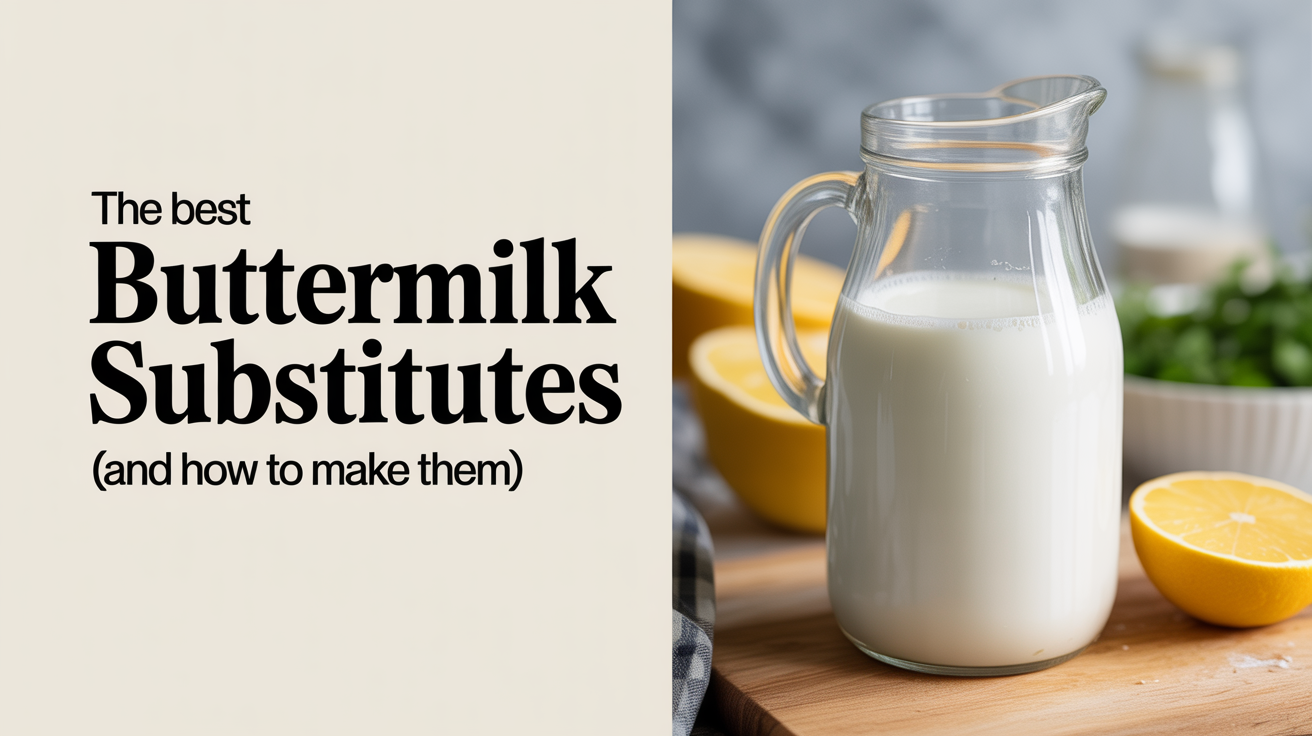
Buttermilk is one of those ingredients that shows up in a recipe, sends you to the store, and then sits in your fridge for three weeks. If you need a buttermilk substitute right now, the fastest option is 1 tablespoon of white vinegar or lemon juice stirred into 1 cup of whole milk. Let it sit for 5 minutes. That's it.
But there are several other options depending on what you have and what you're making. Some work better in baked goods. Some are better for marinades. A couple of them are almost identical to the real thing.
Before you start
- Milk plus vinegar or lemon juice (1 tablespoon per cup) is the fastest fix and works in almost any baking recipe.
- Yogurt and sour cream need thinning with a little water or milk before they can stand in for buttermilk.
- Kefir is the closest match by far. Use it straight, no adjustment needed.
- Thin substitutes suit cake and pancake batter; thicker ones suit dressings and marinades.
- Plain, unflavored versions only. Flavored yogurt or kefir will throw off a savory recipe.
What buttermilk actually does in a recipe
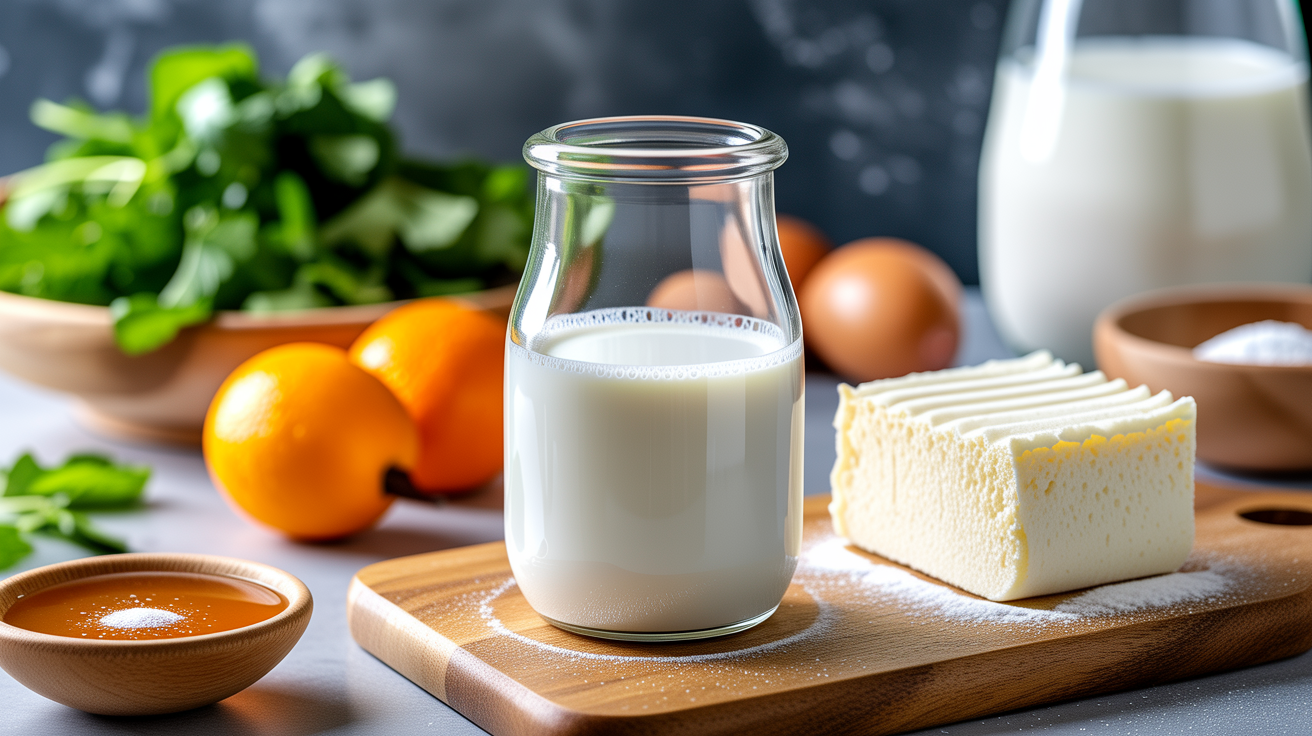
Before swapping anything out, it helps to know why buttermilk is in the recipe. There are two reasons it comes up:
-
Acid - Buttermilk is acidic (pH around 4.5). That acid reacts with baking soda to create carbon dioxide, which makes pancakes fluffy and quick breads rise. It also tenderizes gluten, which is why buttermilk biscuits have that soft, layered texture.
-
Fat and thickness - Commercial buttermilk has more body than regular milk. In dressings and marinades, that thickness matters. In cake batter, it adds moisture and a mild tang.
A good buttermilk replacement needs to cover whichever of those jobs is actually required. Thin substitutes work fine in cake. Thicker ones are better for dressings.
Milk and vinegar (or lemon juice)
This is the most common buttermilk replacement and it works well for baking. The ratio is straightforward:
- 1 tablespoon white vinegar or fresh lemon juice
- Whole milk to fill 1 cup
Stir and let it sit for 5 minutes. The milk will curdle slightly and thicken a bit. That's normal. The acid content ends up close to real buttermilk, so it reacts with baking soda the same way.
White vinegar is neutral in flavor. Lemon juice adds a faint citrus note that most people can't detect once the recipe is baked, but in something delicate like a white cake it can come through. Either works.
One thing that changes: texture. This substitution is thinner than commercial buttermilk, so cakes and muffins are slightly less dense. Usually not noticeable, but if you're making something like Irish soda bread where buttermilk does a lot of structural work, it helps to use a thicker substitute.
Using non-dairy milk
The same ratio works with oat milk, soy milk, or almond milk. Soy milk curdles most reliably because of its protein content. Oat milk and almond milk may not thicken much, but they still become acidic, which is the main thing baking needs. The best salt for cooking and the liquids you use both affect final flavor more than most home cooks expect.
Yogurt as a buttermilk substitute
Plain yogurt is one of the better options because it's already thick and acidic. Greek yogurt and regular yogurt both work, but they need to be thinned.
- For baking: mix 3/4 cup plain yogurt with 1/4 cup water or milk to reach 1 cup
- For dressings or dips: use plain yogurt straight without thinning
Greek yogurt is thicker and tangier than buttermilk. If you thin it down it works well in pancakes and quick breads. The tang is actually a bit more pronounced than buttermilk, which some people prefer in things like ranch dressing.
Full-fat yogurt gives better results than low-fat or nonfat, especially in baking. The fat content is closer to what buttermilk adds.
Sour cream
Sour cream works similarly to Greek yogurt. It's thicker, fattier, and more acidic than buttermilk, so it usually needs to be loosened up.
- Mix 3/4 cup sour cream with 1/4 cup milk or water for 1 cup equivalent
Sour cream produces a noticeably richer result in baked goods. Chocolate cake made with sour cream instead of buttermilk tastes denser and more fudgy. That's not wrong, it's just different. If you want a very moist, tight-crumbed chocolate cake, sour cream is actually a better choice than buttermilk.
For marinades, sour cream works well for chicken or pork. It sticks to the surface better than liquid buttermilk, which means more coating on the meat when it hits the pan or grill.
Kefir
Kefir is fermented milk with a flavor and acidity very close to buttermilk. It's pourable and tangy and can usually replace buttermilk 1:1 without any adjustments. If you have kefir in your fridge, use it straight.
Plain kefir (not flavored) is the one to use. Flavored varieties have added sugar and fruit that will throw off savory recipes and compete with other flavors in baking.
Quick ratio table
| Substitute | Ratio to replace 1 cup buttermilk | Best for |
|---|---|---|
| Milk + white vinegar | 1 tbsp vinegar + milk to 1 cup | Baking, pancakes, quick breads |
| Milk + lemon juice | 1 tbsp lemon juice + milk to 1 cup | Baking, cakes |
| Plain yogurt (thinned) | 3/4 cup yogurt + 1/4 cup water | Baking, dressings, marinades |
| Greek yogurt (thinned) | 3/4 cup Greek yogurt + 1/4 cup water | Baking, thick dressings |
| Sour cream (thinned) | 3/4 cup sour cream + 1/4 cup milk | Rich baked goods, marinades |
| Kefir | 1 cup, no adjustment | Any recipe |
| Non-dairy milk + vinegar | 1 tbsp vinegar + plant milk to 1 cup | Vegan baking |
When the substitute changes the result
Most buttermilk replacements work well enough that you won't notice a difference. But there are a few cases where the swap matters more:
Fried chicken marinades - Buttermilk marinades tenderize chicken through both the acid and the enzymes in cultured dairy. Milk and vinegar has the acid but not the enzymes. Yogurt or kefir are closer to real buttermilk here. If you're marinating for 4+ hours, reach for yogurt.
Buttermilk pancakes - The thickness of real buttermilk gives these pancakes body. Thin substitutes (milk + vinegar) produce slightly flatter, less custardy pancakes. Still good. Just different. If you want that classic thick diner-style pancake, thin down some Greek yogurt instead.
Ranch dressing - Classic ranch is built on the tang and body of buttermilk. Milk and vinegar is too thin and tastes flat. Use kefir or thinned yogurt for a closer result. Good fresh vs dried herbs matter here too, since fresh dill and chives make a bigger difference to the final flavor than which dairy you use.
Delicate layer cakes - Thin acid substitutes can make batters slightly more liquid. Measure carefully and don't add extra. The result will still rise and taste right, but if you overshoot on liquid, the crumb gets a bit open and uneven.
Salad dressings with olive oil - Buttermilk and olive oil can separate if the dressing isn't emulsified well. Yogurt-based substitutes hold together better. For more on balancing oil in dressings, the guide to types of olive oil covers which oils are mild enough to let the other flavors come through.
FAQ
Can I use regular milk instead of buttermilk?
Plain milk without acid added won't work as a buttermilk substitute in baking. It's not acidic enough to react with baking soda, so your baked goods won't rise properly and will taste flat. You need to add a tablespoon of vinegar or lemon juice to make it work.
What's the ratio for milk and vinegar as a buttermilk substitute?
1 tablespoon of white vinegar (or lemon juice) per 1 cup of milk. Stir, let it sit for 5 minutes, then use it as you would buttermilk. This is the standard milk and vinegar ratio and it works reliably for most baking recipes.
Does the fat content of the milk matter?
Whole milk produces results closest to real buttermilk. 2% works almost as well. Skim milk makes the substitute thinner and lower in fat, which can affect moisture in baked goods. For pancakes or quick breads, skim milk is fine. For richer cakes where fat matters more, use whole.
How long does a buttermilk substitute last in the fridge?
Milk-and-acid substitutes are best used immediately. They'll keep for a day in the fridge but the milk starts to degrade faster once the acid is added. Yogurt and kefir substitutes last as long as the original product, since they're already cultured.
Can I freeze a buttermilk substitute?
Milk-and-vinegar substitutes don't freeze well; the milk separates when thawed. Yogurt-based substitutes freeze better but the texture changes. If you need buttermilk on hand regularly, buying a small carton and freezing it in ice cube trays (2 tablespoons per cube) works better than freezing a substitute.
References
- Buttermilk, Wikipedia covers the fermentation process and why the acid reacts with baking soda the way it does.
- Recipe Substitutions, University of Illinois Extension lists the standard milk-and-acid ratio along with other common baking swaps.