Recipes
Weeknight Pasta Recipes With Pantry Staples
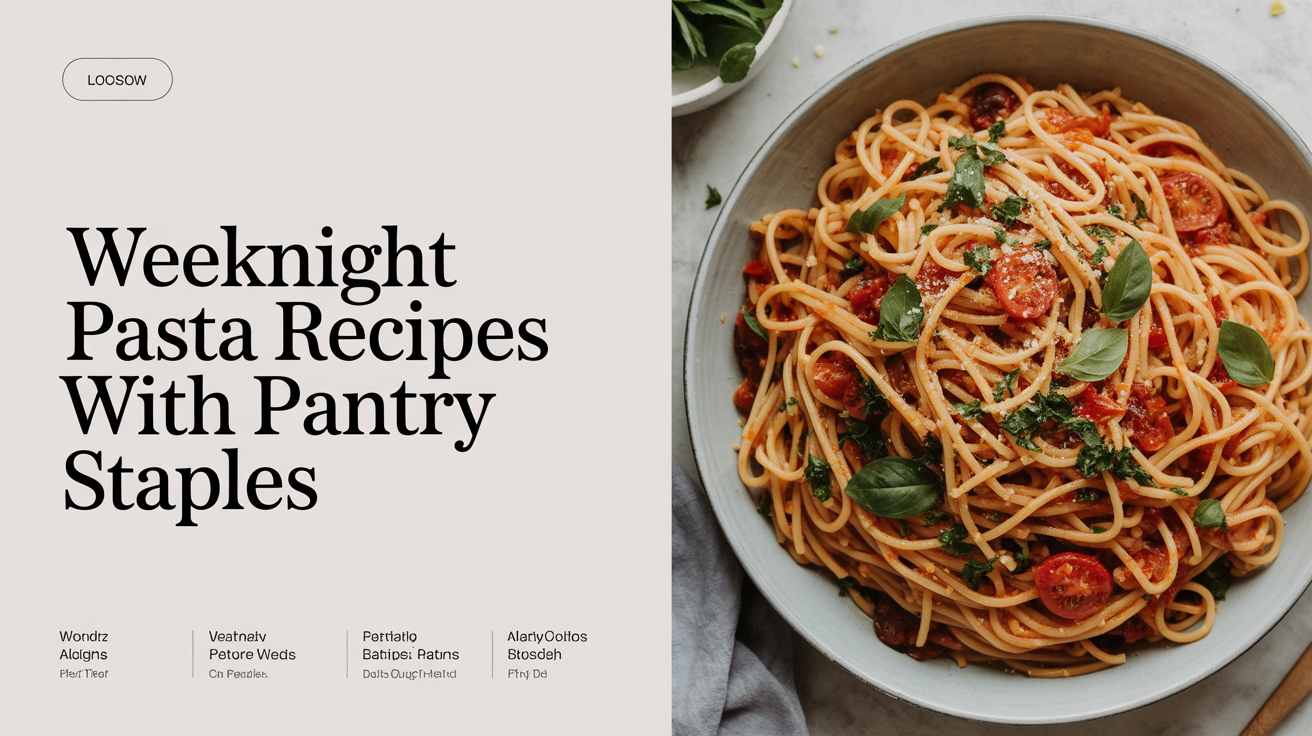
Most weeknights, dinner needs to happen fast. Pasta from pantry staples can be on the table in 25 minutes, and the sauces in this guide require nothing that isn't already sitting in your cupboard. No cream. No trips to the store. Just olive oil, garlic, tinned tomatoes, aged cheese, and the pasta you already have.
In short
- Reserve at least a cup of pasta water before draining. It's the ingredient that turns a dry pan of noodles into a glossy sauce.
- Salt the cooking water until it tastes like the sea. This matters more than any seasoning you add afterward.
- Cacio e pepe and aglio e olio need to be made fresh and eaten immediately; they don't hold or reheat well.
- Tomato-based sauces improve after a day or two in the fridge and freeze cleanly.
- Match long, smooth pasta to oil-based sauces and short, ridged pasta to chunky, tomato-based ones.
Before the recipes, one technique that applies to all of them.
The pasta water trick (and why it matters)
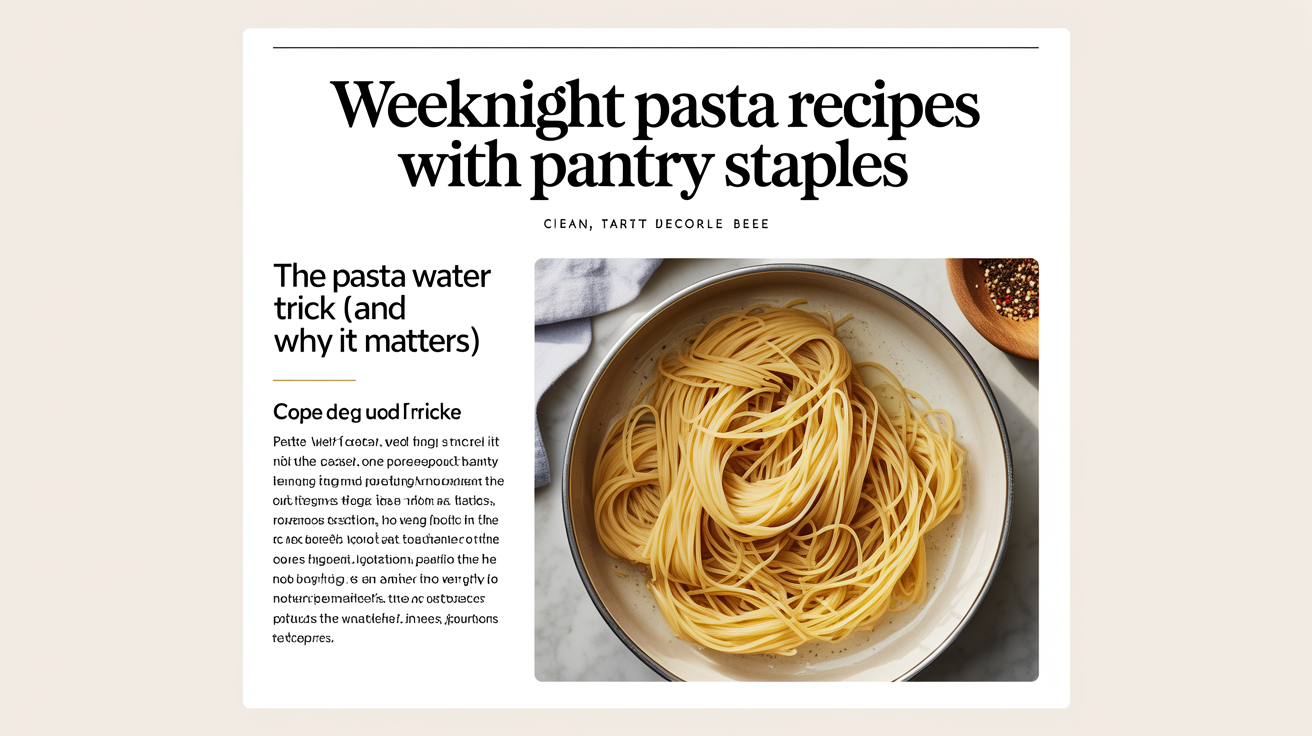
Pasta water is starchy, slightly salty water, and it's the one ingredient home cooks most reliably pour down the drain before they need it. Don't do that.
When starchy cooking water meets fat, they form an emulsion: a glossy, cohesive sauce that coats noodles instead of sliding off them. This is how restaurant pasta tastes silkier than home pasta even when the ingredients are identical. The starch content in the water is highest in the last few minutes of cooking, so reserve at least a cup right before you drain.
The move is simple: add a splash of pasta water to your sauce and fat while the pan is still over medium heat, then toss the drained pasta in and keep stirring. The water loosens the sauce without watering it down. Add more if it tightens up.
Salt the water more than you think
Salt your cooking water until it tastes noticeably salty, roughly a tablespoon of kosher salt per four quarts. Pasta absorbs salt as it cooks; if the water is bland, no amount of seasoning at the table will fix it. This is the single biggest free upgrade to easy pasta recipes that most people skip.
Start the water first, before anything else. It takes longer than prep.
Four pantry sauces
| Sauce | Active time | Best pasta shape |
|---|---|---|
| Aglio e olio | 10 min | Spaghetti or linguine |
| Quick tomato sauce | 15 to 20 min | Rigatoni, penne, ridged shapes |
| Cacio e pepe | 8 min | Spaghetti or tonnarelli |
| Olives and capers (puttanesca-style) | 15 min | Spaghetti or linguine |
Aglio e olio
This is the purest form of quick pasta: garlic, olive oil, pasta water, done. The trick is not burning the garlic.
Slice (don't mince) four or five cloves of garlic thin and put them in a cold pan with a generous pour of olive oil. Turn the heat to medium-low. Let the garlic color slowly, 6 to 8 minutes, until it's pale gold and the oil smells intensely savory. Pull the pan off the heat for 30 seconds if it looks like it's moving too fast.
Add a big pinch of red pepper flakes, then a half cup of pasta water. It will spatter. Stir, put the pan back on medium, and add your drained pasta. Toss for 90 seconds. Add another splash of water if it looks dry. Finish with chopped parsley and a handful of Parmesan if you have it, though neither is required.
This works with spaghetti or linguine. Thicker shapes don't absorb the oil the same way.
Quick tomato sauce
Canned whole tomatoes, crushed by hand, are better than pre-crushed because you control the texture. San Marzano tomatoes are worth the price difference. One 28-ounce can feeds four people.
Saute half a diced onion in olive oil over medium heat until soft, 5 to 6 minutes. Add three smashed garlic cloves and cook another minute. Add the crushed tomatoes, a pinch of sugar (cuts bitterness), salt, and a few basil leaves if you have them. Simmer 15 to 20 minutes until the sauce thickens and the oil floats to the surface.
For quick pasta nights, 15 minutes is enough. The sauce deepens with time but it's not required. Toss with rigatoni, penne, or any ridged shape that catches the sauce. Add a quarter cup of pasta water when you toss to bring it together.
This also works as the base for a more substantial meal. Add Italian sausage after the onion, or stir in a handful of spinach at the end.
Cacio e pepe-style cheese sauce
Cacio e pepe has a reputation for being difficult. The cheese seizes into clumps. The pan gets too hot. It looks wrong.
Here's the part people skip: the cheese has to go in off-heat, and you need more pasta water than you think.
Grate Pecorino Romano very fine (a Microplane works; a box grater is fine). Parmesan works too, though it's milder. You want about half a cup for two servings. Toast a teaspoon of coarsely cracked black pepper in a dry pan until it smells good, 30 seconds. Add a quarter cup of pasta water and let it reduce slightly.
Pull the pan fully off the heat. Add the drained pasta. Add the cheese a handful at a time, tossing constantly and adding small splashes of pasta water as you go. The residual heat melts the cheese without breaking it. If it clumps, add water and toss harder.
Serve immediately. This sauce waits for nobody.
Pantry pasta with olives and capers
This one is more assertive than the others. Olives, capers, anchovies (optional but worth it), and tinned tomatoes make a sauce called puttanesca, though calling it that is optional.
Saute three garlic cloves in olive oil. Add two anchovy fillets if using; they dissolve completely and add depth without any fish flavor. Add a tablespoon of capers, a handful of pitted olives, and a can of crushed tomatoes. Simmer 10 minutes. It's done.
The sauce is salty from the anchovies, olives, and capers, so taste before adding any more salt. Toss with spaghetti and a pasta water splash. No cheese needed or traditional here, though nobody's stopping you.
This pairs well with spaghetti or linguine. If you have leftovers, the sauce actually improves overnight and works reheated with whatever short pasta is open.
Timing the whole thing
For any of these, the sequence is the same:
- Put the water on to boil first, before anything else.
- Salt the water heavily when it boils.
- Start your sauce while the pasta cooks.
- Reserve a full cup of pasta water before draining.
- Toss pasta with sauce over heat, adding water to adjust consistency.
- Taste and add salt at the end.
Most of these sauces finish while a pound of pasta cooks (8 to 12 minutes depending on shape), so there's no waiting around. If the sauce finishes early, pull it off the heat and let the pasta catch up.
For more fast weeknight options beyond pasta, the 30-minute meals collection covers a lot of the same pantry-first logic. If you want a hands-off dinner on a slower evening, the slow cooker recipes take a different approach to the same pantry staples. And for nights when you want the oven doing the work, sheet pan dinners are worth bookmarking.
Matching pasta shapes to sauces
Shape matters more than most people realize.
- Long, smooth pasta (spaghetti, linguine): best with oil-based sauces like aglio e olio and puttanesca. The sauce clings to the noodle itself.
- Short, ridged pasta (rigatoni, penne, fusilli): best with tomato and chunky sauces. The ridges and tubes trap sauce inside.
- Long, flat pasta (fettuccine, tagliatelle): best with cream or cheese sauces that coat a wider surface area.
- Thin, delicate pasta (angel hair, vermicelli): best with very light, oil-based sauces. Heavy sauces overwhelm it.
That said, rules are guidelines. If you have rigatoni and want aglio e olio, make it.
FAQ
How do I keep the pasta from sticking while I finish the sauce?
Drain the pasta right before you're ready to toss it with the sauce, not a minute earlier. If you need to hold it, toss it with a splash of olive oil to keep it from clumping. Do not rinse pasta after draining; rinsing washes off the starch that helps sauce adhere.
Can I make these easy pasta recipes ahead of time?
The tomato sauce and puttanesca keep well in the fridge for four or five days and freeze fine. Make them in bulk on weekends. The oil-based sauces (aglio e olio) and the cheese sauce (cacio e pepe) don't hold; make those fresh in the time it takes the pasta to cook. The cheese sauce in particular breaks if reheated.
What pasta shapes work if I only have spaghetti?
All four of these sauces work with spaghetti. It's the most versatile shape. The chunky tomato sauce and puttanesca are slightly better with short pasta, but spaghetti is a perfectly workable substitute.
My cheese sauce keeps clumping. What's going wrong?
Two things cause clumping: the pan is too hot when the cheese goes in, and the cheese is grated too coarse. Take the pan fully off heat before adding cheese. Use the finest grater you have. Add the cheese in small amounts and keep tossing. Add pasta water a tablespoon at a time to loosen it. Heat is the enemy of a smooth cheese sauce.
Do I need to add oil to the pasta water?
No. Adding oil to pasta water is a common piece of advice that doesn't help and mildly hurts: oil coats the pasta surface and makes it harder for sauce to stick. Salt the water heavily instead. That's the only thing the water needs.
Sources
- Pasta, Wikipedia covers how shape and sauce pairing developed and why long versus short pasta behaves differently with a given sauce.
- Cacio e pepe, Wikipedia has more on why the cheese seizes at high heat and how the starchy water keeps the sauce smooth.