Recipes
Easy Sheet Pan Dinners for Busy Weeknights
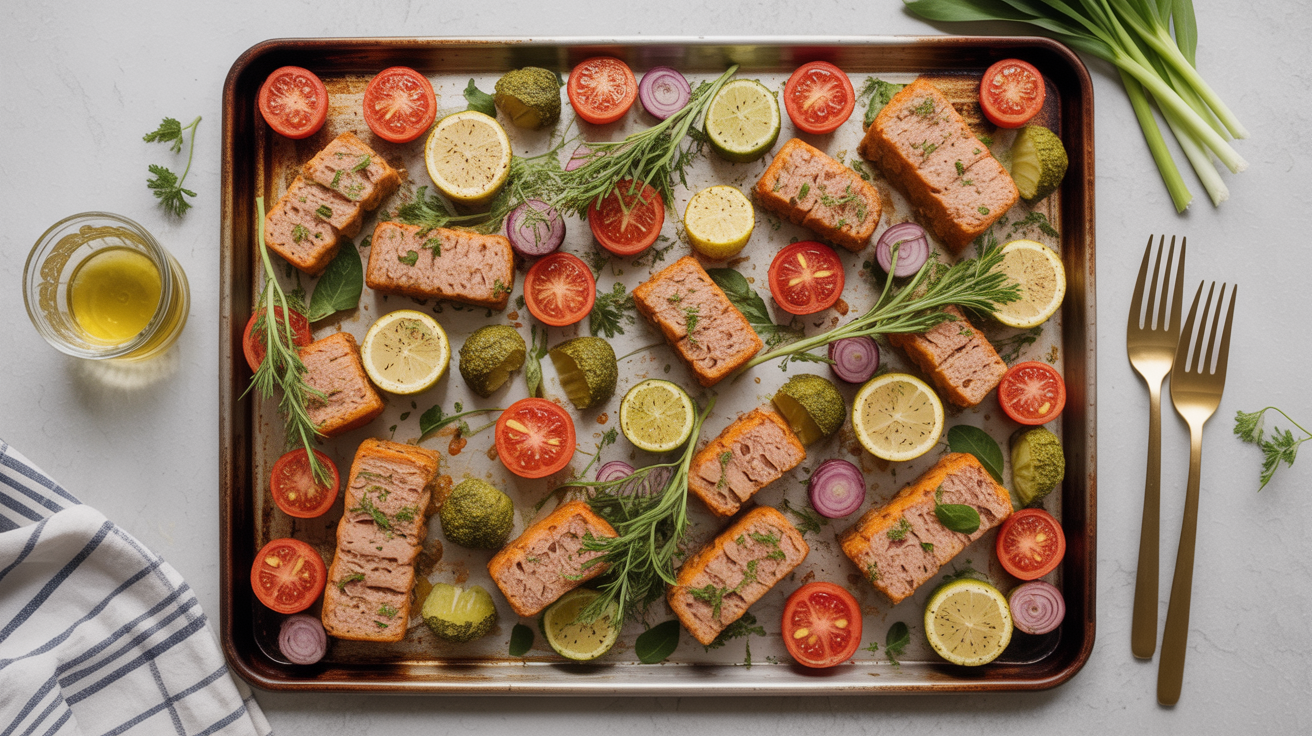
Sheet pan dinners have a reputation problem. Too many recipes promise "hands-off" cooking and deliver either burned broccoli or raw chicken, all on the same pan. The method works, but it needs more thought than just tossing everything together and sliding it into a 400°F oven.
Why most sheet pan dinners fail
The most common mistake is treating the pan like a mixing bowl, same size cuts, same cooking time, everything crowded together. Vegetables steam instead of roast when they're packed in too tight. Chicken thighs and cherry tomatoes do not finish at the same time. Salmon and root vegetables are a bad pairing unless you give the roots a 20-minute head start.
Two rules solve most of these problems:
- Cut things to match their cook time, not a uniform size.
- Use two oven temperatures in sequence, or stagger what goes in when.
Once you internalize those, sheet pan cooking gets genuinely easy, not just easy in theory.
Temperature and timing by protein
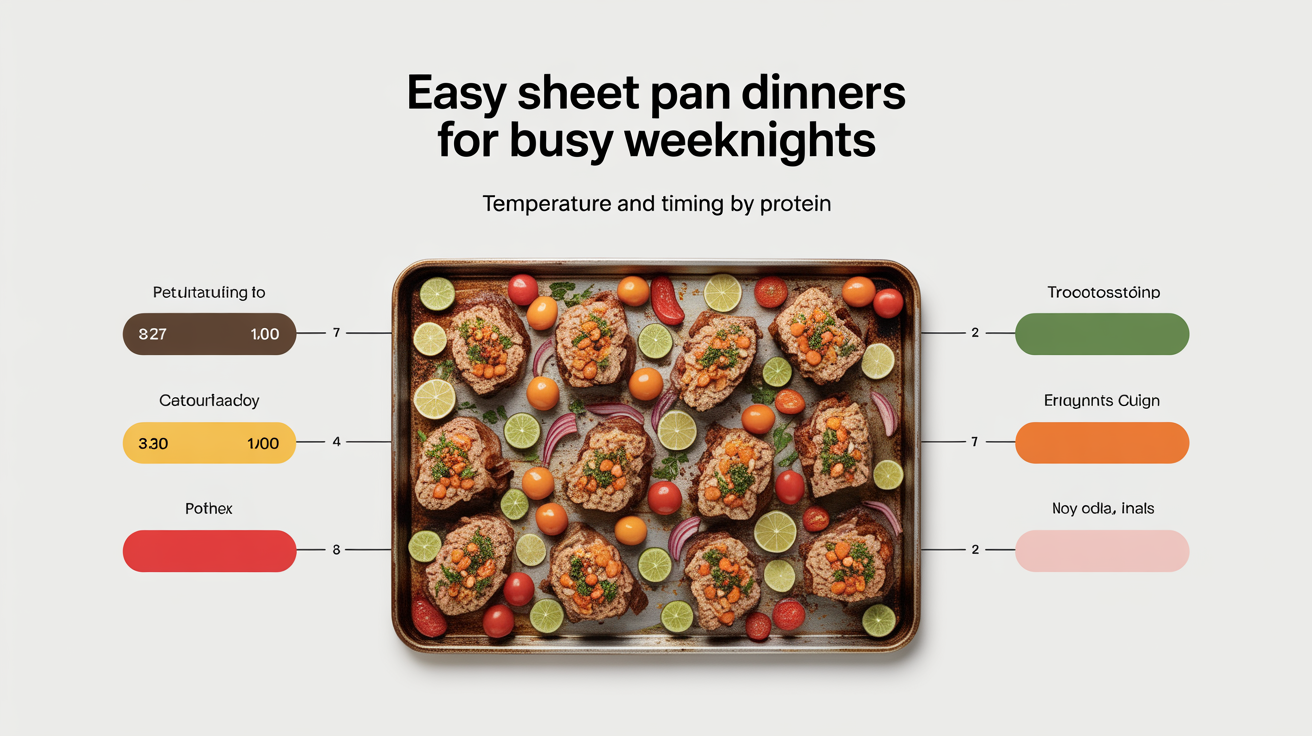
Different proteins want different oven temperatures. Here's a practical reference. Internal temperature targets follow the USDA's safe minimum internal temperature chart, which is the standard most home cooks check against for poultry, pork, and fish.
| Protein | Oven Temp | Approx. Cook Time | Internal Temp Target |
|---|---|---|---|
| Bone-in chicken thighs | 425°F | 35–40 min | 165°F |
| Boneless chicken breast | 400°F | 22–26 min | 165°F |
| Salmon fillets (1 inch thick) | 400°F | 12–14 min | 125–130°F for medium |
| Pork tenderloin | 425°F | 20–25 min | 145°F |
| Shrimp (16/20 count) | 425°F | 8–10 min | pink and opaque |
| Italian sausage links | 400°F | 25–30 min | 160°F |
These assume the protein goes in at room temperature. Cold chicken from the fridge adds 5–8 minutes and makes it harder to get even cooking.
How to match vegetables to your protein
The goal is to have protein and vegetables finish within a few minutes of each other. That means choosing vegetables that need roughly the same roasting time as your protein, or cutting them to compensate.
Fast-roasting vegetables (10–15 minutes at 425°F): cherry tomatoes, asparagus, thin zucchini rounds, snap peas, halved radishes, baby spinach (add in the last 3 minutes).
Medium-roasting vegetables (20–30 minutes at 425°F): broccoli florets, cauliflower, bell pepper strips, mushrooms, green beans, Brussels sprout halves.
Slow-roasting vegetables (35–45 minutes at 425°F): potato wedges, sweet potato cubes, carrots, beets, whole garlic cloves, butternut squash.
The practical takeaway: salmon pairs naturally with asparagus and cherry tomatoes. Chicken thighs pair with potatoes and carrots. If you want to put salmon with sweet potatoes, get the sweet potatoes in 25 minutes before the fish.
Four combinations that actually work
Chicken thighs with potatoes and green beans
Season bone-in, skin-on thighs with olive oil, salt, pepper, garlic powder, and smoked paprika. Toss 1-inch potato cubes with olive oil and salt. Roast at 425°F for 20 minutes, then push the potatoes to the sides, add the chicken skin-side up, and continue for 35–40 minutes. Add trimmed green beans around the 25-minute mark. The chicken fat renders onto the potatoes as it cooks, which is most of why this combination works so well.
Salmon with asparagus and lemon
Snap the woody ends off a pound of asparagus, toss with olive oil, salt, and a little garlic. Spread on the pan and roast at 400°F for 5 minutes. Nestle 4-ounce salmon fillets skin-side down among the asparagus, season with salt, pepper, and a thin lemon slice on top of each fillet, and roast another 12–14 minutes. The asparagus gets a 17–19 minute total cook time, which is about right for medium spears.
Sausage with peppers, onions, and potatoes
Cut Italian sausage links into thirds. Slice 2 bell peppers and a large onion into strips. Cut 2 medium Yukon Golds into thin half-moons so they cook fast. Toss everything with olive oil, Italian seasoning, salt, and red pepper flakes if you want heat. Roast at 400°F for 30–35 minutes, flipping once halfway. This one is forgiving, the sausage is hard to overcook, and the vegetables have enough variation that someone can pick out what they want.
Shrimp with zucchini and cherry tomatoes
This is the weeknight shortcut version. Halve the tomatoes, slice the zucchini into half-moons, toss with olive oil, salt, garlic, and oregano. Roast at 425°F for 10 minutes. Add the shrimp (peeled, deveined, patted dry) and roast another 8–10 minutes until they're pink and just curled. If they curl into tight little O-shapes, they're overcooked, take them out when they're a loose C. For more ideas on quick proteins and vegetables, see 30-minute meals.
Getting the pan right
The pan matters more than most recipes admit. A dark, heavy-gauge sheet pan holds heat better and promotes browning. A thin, light-colored pan lets heat escape and often produces pale, steamed vegetables even at 425°F.
Use a rimmed half-sheet pan (18x13 inches). If you're cooking for four people, you may need two pans, one pound of protein and two pounds of vegetables fills a half-sheet pretty well, and crowding ruins the roast. When in doubt, split the vegetables between two pans and rotate them halfway through.
Line with foil for easy cleanup, but skip parchment if you want actual browning, parchment insulates slightly and slows the browning on the bottom of vegetables.
Seasoning and sauces
Most sheet pan dinners taste bland because the seasoning went on too lightly. Vegetables need more salt than you think, especially dense ones like potatoes and cauliflower. As a baseline, use about 3/4 teaspoon of kosher salt per pound of vegetables, plus 1 teaspoon per pound of protein.
A finishing sauce or condiment added after cooking does more for flavor than trying to build complexity during the roast. Some combinations worth keeping in mind:
- Chicken thighs: a spoonful of whole-grain mustard and a drizzle of honey stirred together
- Salmon: miso butter (1 tablespoon white miso mixed with 2 tablespoons softened butter)
- Shrimp: quick romesco (jarred roasted peppers, almonds, garlic, sherry vinegar, blended smooth)
- Sausage and peppers: nothing needed, or a drizzle of balsamic reduction
If you're cooking vegetarian sheet pan meals regularly, vegetarian dinner recipes has a separate deep-dive on building flavor without meat.
Common mistakes and how to fix them
Vegetables burning before protein is done. The protein is taking longer than expected, usually because it went in cold. Either tent the vegetables with foil and let the protein finish, or next time take the protein out of the refrigerator 20 minutes before cooking.
Everything is pale and soft, not browned. The pan was overcrowded, the oven wasn't hot enough, or the vegetables had too much moisture. Pat vegetables dry before tossing with oil. If they've been sitting in the fridge unwashed, give them a quick dry with a paper towel before seasoning.
Protein is done but vegetables are raw. You needed to stagger the cooking. Pull the protein and tent it with foil; it will hold for 10 minutes easily while the vegetables finish. Resting time is part of the cook, not lost time.
The pan is a sticky mess. Foil helps, but if you're roasting starchy vegetables like potatoes, oil the foil too. Even non-stick pans benefit from a thin coat of oil on top of the foil.
For nights when a sheet pan still feels like too much effort, slow cooker recipes covers the set-it-and-forget-it approach where five minutes of morning prep does the work.
Frequently Asked Questions
Can I cook frozen vegetables on a sheet pan?
Technically yes, but the results are worse than fresh. Frozen vegetables release a lot of water as they thaw in the oven, which steams rather than roasts them. If you have to use frozen, spread them out as much as possible, roast at 425°F, and add at least 10 extra minutes. Frozen broccoli and green beans handle it better than frozen zucchini or mushrooms, which turn mushy.
How do I know when to flip things?
Flip when the bottom side is visibly brown and the piece releases easily from the pan. If it's sticking, it's not ready. Forcing it tears the browned crust and leaves it behind on the pan. Most vegetables need one flip around the halfway mark. Sausages and chicken pieces benefit from a flip; salmon fillets generally don't need one if they're skin-down.
Can I prep the pan ahead of time?
Yes, with some caveats. Cut and season vegetables, then refrigerate them uncovered on the pan for up to 4 hours, uncovered helps dry them out a bit, which promotes better browning. Don't season the protein more than 2 hours ahead unless it's a dry rub; salt draws moisture out of raw proteins, which can make the surface wet and slow browning.
Do I need a wire rack inside the pan?
For chicken with skin, a wire rack is worth it, it lets hot air circulate under the skin and the fat drips away, giving you crispier results. For everything else, a flat pan is fine. The direct contact with the hot metal is part of what creates the browned bottom on vegetables.