Recipes
Hearty Vegetarian Dinners Even Skeptics Love
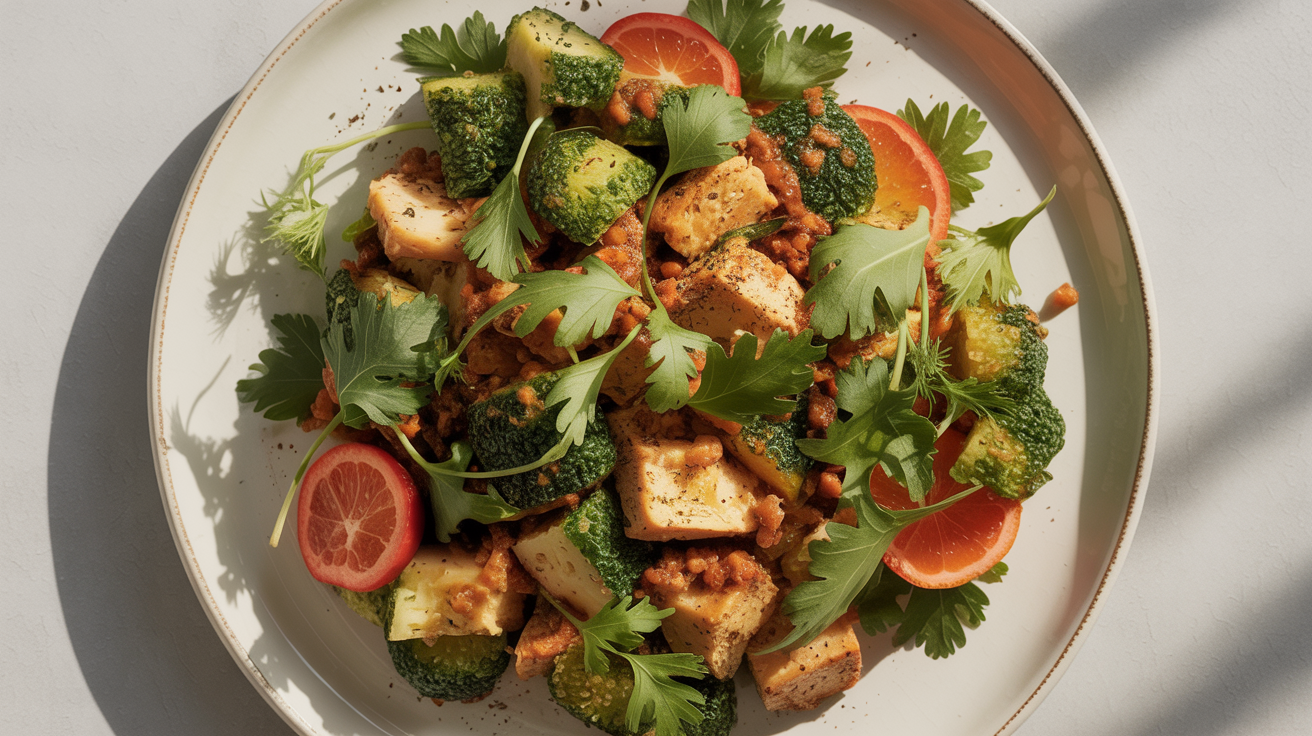
Most people who say they could never give up meat haven't eaten a bowl of properly made lentil stew. That's not a dig — it's a diagnosis. Bad meatless dinners are watery, underflavored, and somehow simultaneously heavy and unsatisfying. Good ones are none of those things.
The difference comes down to three things: umami, texture, and protein. Get those right and you stop missing the meat. Get them wrong and even a committed vegetarian will be eyeing someone else's plate.
These vegetarian dinner recipes are built around those principles. Each one has a specific technique reason it works, not just "add beans and hope." If you're a skeptic, start with the mushroom ragu. It converts people.
Why meatless dinners fail (and how to fix it)
The biggest mistake in meatless cooking is treating vegetables as a substitute rather than the main event. A portobello mushroom cap is not a burger. But a slow-cooked mushroom ragu with wine and Parmesan rind? That's its own thing entirely, and it doesn't need the comparison.
Build umami from multiple sources
Meat is naturally high in glutamates, which register as savory depth on your palate. When you remove it, you need to replace that signal deliberately. A few reliable sources:
- Tomato paste (cook it in oil until it darkens, about 2 minutes)
- Soy sauce or tamari (even a tablespoon in a bean braise changes everything)
- Parmesan or pecorino rinds simmered in soups and stews
- Miso stirred in at the end of braises and sauces
- Dried mushrooms rehydrated and added with their soaking liquid
You don't need all of these at once. One or two, used well, do the work.
Don't skip the browning step
This is where most vegetarian comfort food falls flat. Toss tofu or chickpeas into a sauce without browning them first and you get protein floating in liquid. Brown them in a dry or lightly oiled pan until there's actual crust, and they hold their texture, absorb flavor differently, and make the whole dish feel more substantial.
For tofu specifically: press it for at least 20 minutes, cube it, and sear it in a cast iron pan with a thin film of oil. Let it sit without moving it for 3 minutes per side. It should release easily when it's ready.
Mushroom and white bean ragu
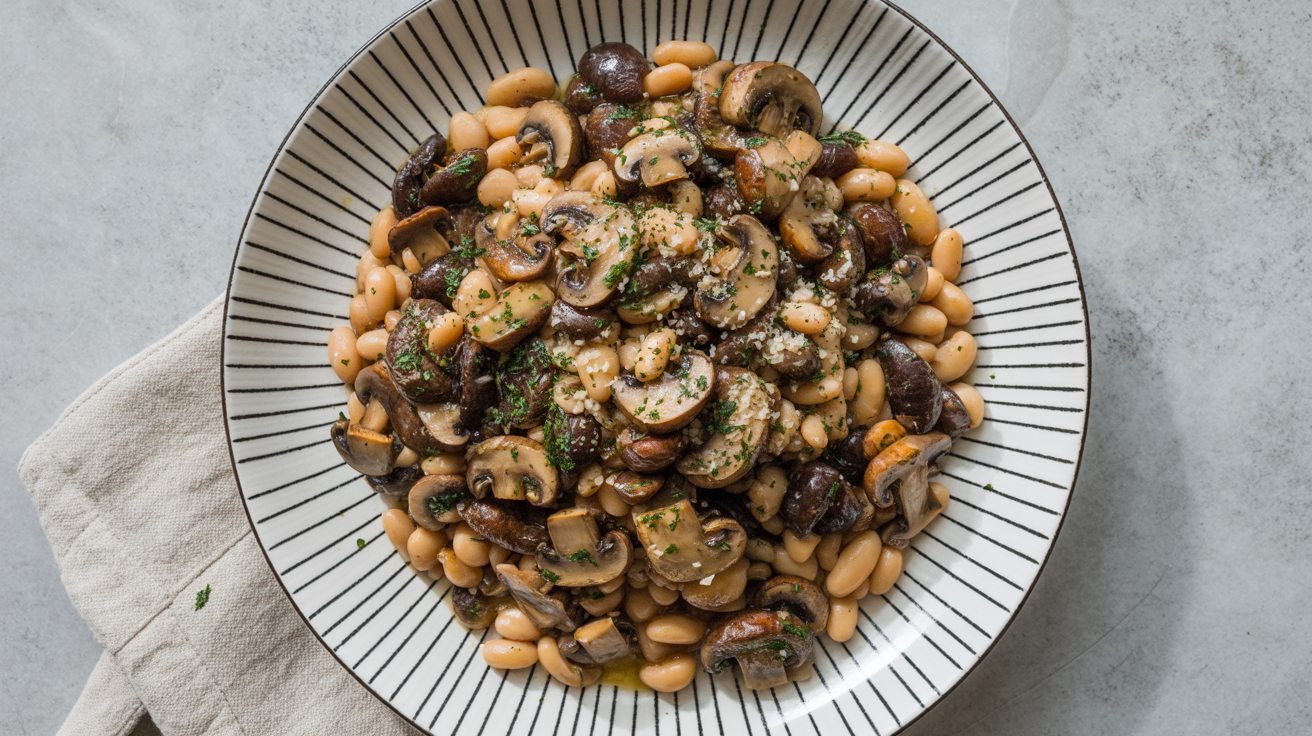
This is the one to make for a skeptic. Use it over pasta, polenta, or crusty bread. It tastes like it cooked all day; it actually takes about 45 minutes.
Serves 4. Time: 50 minutes.
Start with 1 oz dried porcini mushrooms soaked in 1 cup of just-boiled water for 20 minutes. While those soak, dice one yellow onion and four garlic cloves. Heat 3 tablespoons of olive oil in a wide skillet or Dutch oven over medium heat, add the onion with a good pinch of salt, and cook until it's translucent and starting to brown at the edges, about 10 minutes.
Add 1 lb of mixed fresh mushrooms (cremini, shiitake, or whatever's available) and let them cook without stirring for 4 minutes before turning them. They'll release water and then, if you wait, the water evaporates and they brown. Add the garlic and 2 tablespoons of tomato paste, stir, and cook 2 more minutes.
Lift the porcini out of their soaking liquid (save the liquid), chop them roughly, and add them to the pan. Pour in the soaking liquid carefully, leaving the last tablespoon or two behind where any grit has settled. Add one 15 oz can of white beans (drained and rinsed), a Parmesan rind if you have one, and 1/2 cup of dry white wine. Simmer uncovered for 15 minutes until the sauce thickens. Finish with a handful of chopped parsley and adjust salt.
This also works well in a slow cooker. See our slow cooker recipes for timing adjustments.
Crispy tofu and broccoli with peanut sauce
This one takes 30 minutes start to finish and is genuinely better than most takeout versions. The peanut sauce doubles as a salad dressing if you thin it with more lime juice.
Serves 3–4. Time: 30 minutes.
Press a 14 oz block of extra-firm tofu for 20 minutes (wrap it in a clean towel and set something heavy on top). Cut into 1-inch cubes. Heat a cast iron skillet over medium-high with 1 tablespoon of neutral oil. Add the tofu in a single layer, don't move it for 3 minutes, then turn and repeat on two more sides. Total browning time: about 10 minutes. Remove and set aside.
In the same pan, add 1 tablespoon of sesame oil and 4 cups of broccoli florets. Cook over high heat, stirring every minute or so, until the broccoli is charred in spots and tender, about 7 minutes.
For the sauce: whisk together 3 tablespoons of peanut butter, 2 tablespoons of soy sauce, 1 tablespoon of rice vinegar, 1 tablespoon of honey or maple syrup, 1 teaspoon of grated ginger, 1 clove of grated garlic, and enough warm water to make it pourable (start with 2 tablespoons). Add chili flakes or sriracha if you want heat.
Return the tofu to the pan, pour the sauce over, toss to coat, and serve over rice. This is one of our go-to 30-minute meals when we need something fast.
Spiced red lentil soup with lemon
Lentils are maybe the most underrated protein source in a meatless kitchen. Red lentils in particular cook in 20 minutes, require no soaking, and practically dissolve into a thick, creamy texture that reads as comfort food.
Serves 6. Time: 40 minutes.
Saute one diced onion and three garlic cloves in 2 tablespoons of olive oil until soft, about 8 minutes. Add 1 teaspoon each of ground cumin and coriander, 1/2 teaspoon of turmeric, and a pinch of cayenne. Stir for 30 seconds until fragrant.
Add 1.5 cups of red lentils (rinsed), one 14 oz can of crushed tomatoes, and 5 cups of vegetable broth. Bring to a boil, reduce heat, and simmer uncovered for 20–25 minutes until the lentils have broken down completely. Use an immersion blender to partially blend if you want a creamier texture, or leave it chunky.
Finish with the juice of one lemon and salt to taste. The lemon is not optional. It's what makes this taste bright instead of heavy.
For the topping: heat 2 tablespoons of olive oil in a small pan, add 1/2 teaspoon of smoked paprika, and pour it over the bowls when serving. Fresh cilantro or parsley on top.
This also happens to work beautifully as a sheet pan dinner variation: roast spiced chickpeas alongside and serve them as a crunchy garnish.
Black bean tacos with quick pickled onions
These are weeknight dinner territory. The pickled onions take 10 minutes and make everything taste more considered than the effort involved.
Serves 4. Time: 25 minutes.
For the pickled onions: thinly slice one red onion and combine with 1/2 cup of apple cider vinegar, 1/2 cup of water, 1 tablespoon of sugar, and 1 teaspoon of salt. Let sit at room temperature while you make the rest. They'll be ready in 15 minutes and keep in the fridge for a week.
For the beans: heat 1 tablespoon of oil in a skillet over medium heat. Add one diced jalapeño, two garlic cloves, and cook 2 minutes. Add two 15 oz cans of black beans (drained, rinsed) with 1 teaspoon of cumin, 1/2 teaspoon of smoked paprika, and 1/4 cup of water. Mash about half the beans with the back of a spoon against the pan side. This makes the filling stick together rather than rolling out of the taco. Cook until most of the liquid is absorbed, 5–7 minutes.
Warm corn tortillas directly over a gas burner or in a dry skillet. Fill with the beans, pickled onions, sliced avocado, crumbled cotija or feta, and a squeeze of lime.
The mashed-bean trick is the detail that separates tacos you want to eat over a plate from ones you can actually pick up.
A note on protein planning
One common question about vegetarian dinner recipes is whether you're actually getting enough protein. For most adults, you are. If you're eating beans, lentils, tofu, or whole grains regularly, the protein adds up without much effort. The numbers below come from USDA FoodData Central, the government's nutrient database and the source most recipe writers pull from when they list protein grams.
| Ingredient | Protein per 1/2 cup cooked | Notes |
|---|---|---|
| Lentils | 9g | All varieties; red cook fastest |
| Black beans | 8g | Also high in fiber |
| Chickpeas | 7g | Holds texture when roasted |
| Firm tofu | 10g per 3 oz | Highest when pressed and cooked |
| Edamame | 9g | Good as a side or in grain bowls |
| Tempeh | 16g per 3 oz | Fermented; more complex flavor than tofu |
A dinner combining two of these (beans over rice, lentil soup with a yogurt swirl, tofu alongside edamame) covers a full protein range without any tracking.
FAQ
How do I make vegetarian food filling enough for big eaters?
Fat and fiber do most of the work here. A cup of cooked lentils has around 18g of fiber and 18g of protein. That's filling by any standard. Add a fat source (olive oil, avocado, tahini, cheese) and people stay satisfied. The mistake is serving a lean vegetable dish without any of those anchors.
What's the easiest way to add protein to a meatless dinner?
Canned beans are the honest answer. They require no prep, they're cheap, and they absorb flavors well. Add a rinsed can of white beans to any soup or pasta sauce in the last 10 minutes of cooking. Add chickpeas to grain salads. Stir black beans into scrambled eggs or a quesadilla. The threshold for effort is nearly zero.
Can I convert a meat-based recipe to vegetarian without it falling flat?
Sometimes, but the swap works better when you're not just removing meat and hoping. Mushrooms, walnuts, and lentils all have some of the same textural density as ground meat in a sauce. For something like a bolognese, use a combination of finely chopped mushrooms and brown or green lentils. Cook the mushrooms until very dry before adding the tomatoes. It won't taste identical, but it'll be its own good thing.
Do I need to use meat substitutes like Beyond Burger or Impossible?
No. Those products are fine for specific use cases (convincing texture in a burger format, good for people who want that specific experience), but most vegetarian comfort food is better when it's designed around what plants actually do well rather than what they can approximate. A well-seasoned chickpea stew is more satisfying than a meat substitute used as a stew ingredient.
How do I get my family to eat more meatless dinners without complaints?
Start with format over ingredient. Tacos, pasta, and stir-fries are already familiar, so swapping the protein is less jarring than introducing a completely new dish. The black bean tacos and the mushroom ragu in this piece both fit formats most households already like. Once those land well a few times, branching into something newer is much easier.