Ingredients
Types of Onions and How to Cook With Them
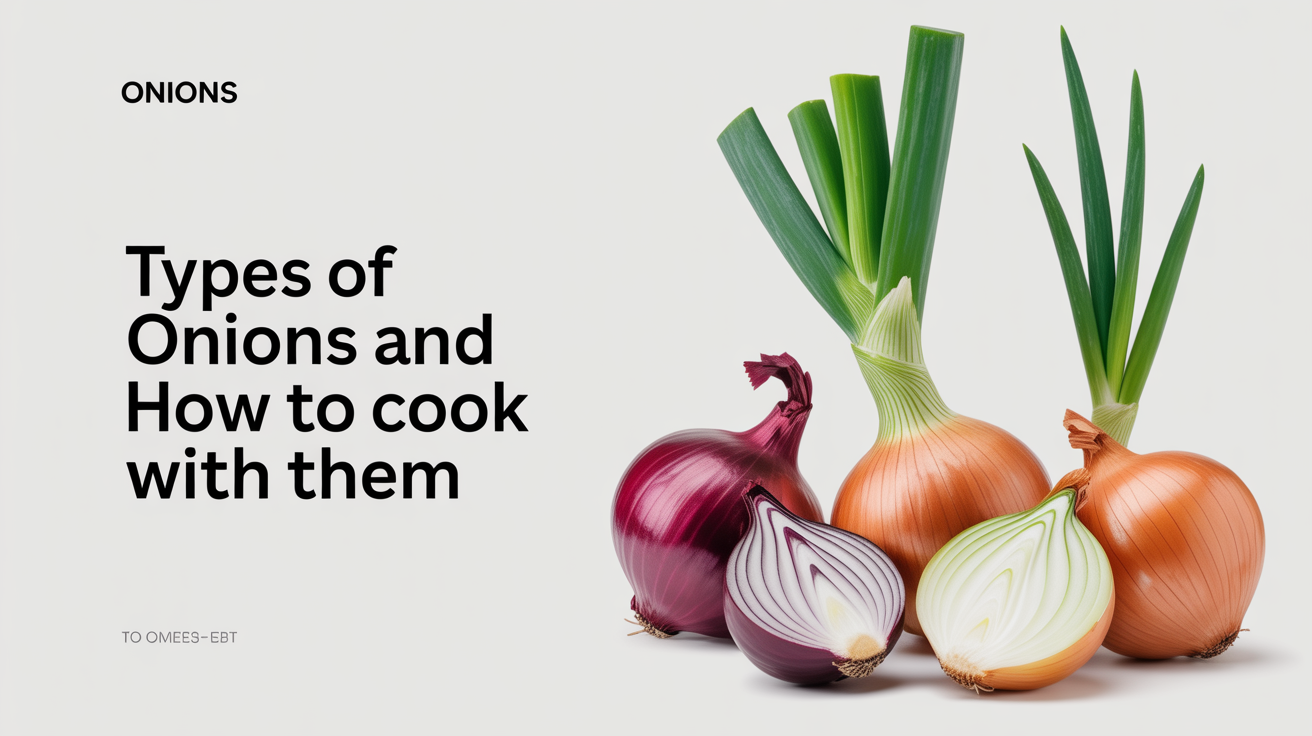
Onions are in almost every savory dish, but grabbing whichever bag is cheapest at the store doesn't always work. A raw red onion in a vinaigrette is completely different from a caramelized yellow one on a burger, and swapping them mid-recipe changes the outcome more than most people expect. Here's what each type actually does, and when to use it.
The Main Types of Onions at a Glance
| Type | Flavor Raw | Flavor Cooked | Best Uses | Avoid |
|---|---|---|---|---|
| Yellow | Sharp, sulfurous | Sweet, deeply savory | Soups, stews, caramelizing | Dishes where raw bite matters |
| White | Clean, crisp | Milder than yellow | Mexican cooking, salsas, pickling | Long braises (loses flavor fast) |
| Red | Peppery, slightly sweet | Muted, purplish | Salads, pickling, garnishes | High-heat sauteing (turns gray) |
| Sweet (Vidalia, Walla Walla) | Mild, almost fruity | Very soft, gentle | Onion rings, French onion soup, raw slices | Dishes needing sharpness |
| Shallot | Mild onion + hint of garlic | Delicate, wine-friendly | Pan sauces, vinaigrettes, fine cooking | Anywhere you need onion volume |
| Green (scallion) | Fresh, grassy | Mild | Garnishes, stir-fries, quick-cooked dishes | Anything needing caramelization |
| Pearl / Cipollini | Sweet, concentrated | Tender, jammy | Braising, roasting whole, pickling |
Yellow Onions
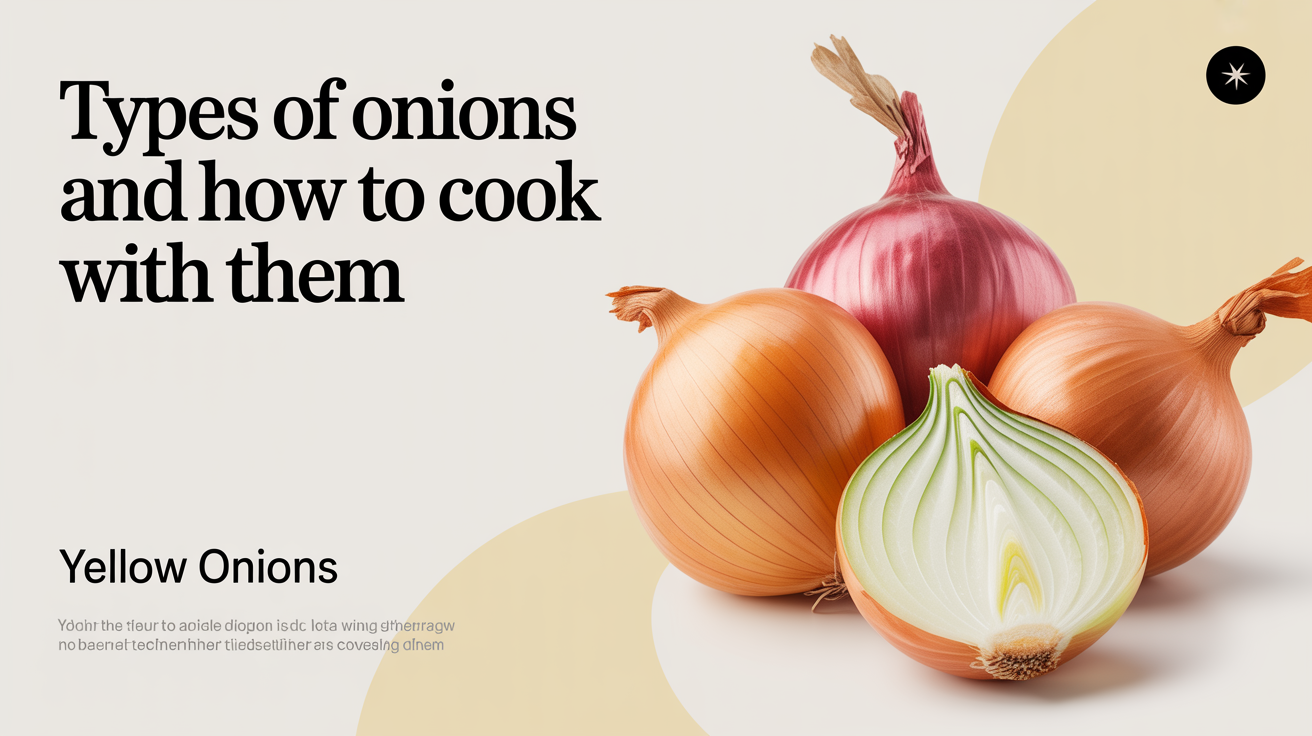
Yellow onions are the workhorse. They make up around 90% of commercial onion production in the US for good reason: their high sugar content means they brown beautifully, and their assertive raw flavor mellows into something genuinely complex after long cooking.
When you sweat yellow onions low and slow for 45 minutes, they turn golden and jammy. That's the base for French onion soup. It's also what makes a good bolognese taste like it took hours (it did, partly because of this step).
Raw, they're sharp enough to be aggressive. Fine for a cooked salsa or a dish that needs that punch, but they'll dominate a fresh salad. If you find yourself without white onions and a recipe calls for them in a raw application, yellow works in a pinch; just use a little less.
Storage: Whole yellow onions last 1-2 months in a cool, dry, dark spot. Don't refrigerate them uncut; the humidity makes them soft. Once cut, wrap tightly and use within a week.
White Onions
White onions have a cleaner, sharper flavor than yellow with less of the sulfurous depth. They don't caramelize as richly, but that's not what they're for.
Mexican cooking leans heavily on white onions for a reason: diced raw white onion on tacos, stirred into pico de gallo, scattered over black beans. The flavor is bright without being as bitter as yellow, and they don't overpower other ingredients. If you've ever had a Mexican restaurant's salsa taste fresher than what you make at home, white onions are often part of that difference.
Yellow vs white onion: which to use
For anything cooked low and slow (soups, braises, risotto), use yellow. The deeper flavor compounds hold up better and the sugar content rewards patience.
For anything raw or quickly cooked where onion is a supporting player rather than the main event (salsas, quick-cooked rice dishes, cold salads), white is cleaner. Some cooks keep yellow for cooking and white for raw applications as a standing rule. It's a reasonable one.
Red Onions
Red onions taste mildest of the three main types when raw: less sulfur, a little more sweetness, and a faint peppery quality that works well in cold dishes. They're what most people picture when they think of raw onion slices on a sandwich or a Greek salad.
The color is the complication. Anthocyanins, the pigments that make them purple, are water-soluble and react badly to heat: they turn an unappetizing grayish-blue when you sauté red onions. They can be cooked, and they're fine in a quick stir-fry where they'll just fade to pink, but they're wasted in any application that needs real browning.
Pickled red onions are one of the better things you can make in ten minutes. Thin half-moon slices, cider vinegar, a pinch of sugar, salt, and an hour in the fridge. The acid turns them a vivid pink and pulls back the raw bite considerably. They keep for two weeks and go on everything.
Pairing your onions with the right salt matters too; here's our guide to /best-salt-for-cooking.
Sweet Onions
Sweet onions (Vidalia, Walla Walla, Maui, Texas 1015) are a specific category worth understanding. They're not a different species; they're varieties grown in low-sulfur soils, which is what makes them mild. You can't grow a Vidalia-style onion in high-sulfur soil and get the same result.
The sweetness people taste is relative. Onion breeders measure this directly: New Mexico State University's sweet onion research uses pyruvic acid content as the standard pungency test, with anything under about 5.0 micromoles per milliliter of juice counting as sweet. Sweet onions have similar sugar content to yellow, but much less pyruvic acid (the compound tied to that sharp, eye-watering bite). Remove the sharpness and what's left seems sweet by comparison.
Sweet onions work well raw in thick slices because the mild flavor doesn't assault everything around them. They're the onion for onion rings, for French onion soup if you want a gentler result, for caramelizing when you want to go very soft and subtle. They don't store as long as yellow (2-4 weeks at most), and they're higher in water content, so they fall apart faster under heat.
Shallots
Shallots are their own thing. They grow in clusters, look like small elongated onions, and taste like a mild onion with a suggestion of garlic. That garlic quality is what makes them work in places a regular onion wouldn't.
Classic French cooking uses shallots as the base for pan sauces and vinaigrettes because they're delicate enough not to compete with wine, butter, or fresh herbs. Mince a shallot into a red wine reduction and you get a layered flavor without the aggression of yellow onion. Mince yellow onion into the same sauce and it tends to take over.
Raw shallots in vinaigrette is a technique worth learning. Finely minced shallot macerated in vinegar for 10 minutes before you add oil softens the raw edge and disperses flavor through the whole dressing. It's a better result than using raw garlic or onion, and it works with both acid-forward dressings and ones that lean on olive oil.
Substitution: shallots can stand in for onions (use about a third of the volume) or for garlic (use twice the volume). Neither is exact, but both work in most situations.
Green Onions (Scallions)
Scallions are just onions harvested before the bulb develops. Both the white base and the green tops are edible, and they taste different from each other: the white end has more bite, the green tops are grassy and fresh.
They don't caramelize. They don't hold up to long cooking. That's not a flaw; it's just what they are. A scallion's job is usually to be added at the end: scattered over a finished bowl of ramen, stirred into fried rice in the last 30 seconds, laid on top of grilled fish. They soften quickly and lose their fresh quality if cooked too long.
Quick stir-fries where you add them two minutes before finishing are where they do their best cooking. Otherwise, treat them as a garnish or a raw ingredient.
Storage: scallions go limp fast. Stand them upright in a glass of water in the refrigerator (like flowers) and they'll last 1-2 weeks and stay crisp.
Pearl Onions and Cipollini
These are smaller, flatter, and worth knowing even if you don't cook with them often.
Pearl onions are small white or red onions, usually about 1 inch across. They're used whole in braises and stews (beef bourguignon, coq au vin) where they hold their shape and absorb liquid. Blanch them in boiling water for 30 seconds, then drop in ice water; the skins slip off easily. Frozen pearl onions are already peeled and work fine for most cooked applications.
Cipollini are flat, disc-shaped Italian onions with a higher sugar content than most. Roasted whole with balsamic vinegar they go almost jammy and sweet, which is their best application. They're not always easy to find, but worth picking up when you see them at a farmers market.
Substitutions Guide
When a recipe calls for one type and you only have another:
- No yellow, need yellow: use white (increase amount slightly and accept a milder result) or shallots (use three times the shallot volume)
- No white, need white for raw use: use red (the flavor is different but also works raw) or a soaked yellow (slice, soak in cold water 20 minutes, drain; this reduces the bite significantly)
- No shallots: use half white onion, half garlic clove, minced together
- No scallions: chives work for the green-tops role; the white parts of leeks work for the base role
- No sweet onions: yellow with the raw bite removed via a quick soak, or just accept more sharpness
How Storage Affects Flavor
Onions stored wrong taste worse. The rules:
- Keep whole onions (all types except scallions and sweet) in a cool, dry, dark location with airflow. Not the refrigerator (too humid), not a sealed container, not near potatoes (they give off gases that accelerate spoilage).
- Sweet onions and scallions are exceptions: scallions in water in the fridge, sweet onions in the fridge if they're already cut.
- Cut onions go in an airtight container in the refrigerator. The sulfur compounds oxidize and the flavor goes stale quickly. Use within 3-5 days.
For more on building flavor with preserved and fresh aromatics, our piece on fresh vs dried herbs covers similar logic applied to the herb side of the pantry.
FAQ
What's the difference between yellow and white onions in cooking?
Yellow onions have more sulfur compounds and more sugar, so they caramelize better and develop deeper flavor over long cooking. White onions are cleaner and milder raw, making them better for dishes where the onion isn't cooked down. For soups, stews, and braises, yellow. For salsas, fresh dishes, and Mexican cooking, white.
Are sweet onions actually sweeter than regular onions?
Mostly in perception. Sweet onions and yellow onions have similar sugar levels, but sweet onions are grown in low-sulfur soil, which dramatically reduces their pyruvic acid content. Pyruvic acid is what makes onions sharp and eye-watering. Remove it and the natural sugar is what you notice. So yes, they taste sweeter, but the sweetness was there all along.
Can I substitute red onions for yellow in cooked dishes?
You can, but expect a different result. Red onions lose their color under heat (they go gray-purple, not golden), don't caramelize as richly, and have a slightly different flavor profile. For dishes where color and deep browning matter (French onion soup, caramelized onions for a pizza), stick with yellow. For a quick sauté where the onion is a minor component, red works fine.
Why do shallots taste different from onions?
Shallots belong to the same Allium species as onions but have a different ratio of flavor compounds. They have less of the harsh, sharp allicins that give raw onion its bite, and more of the sulfur compounds that taste closer to garlic. The result is a flavor that's simultaneously more delicate and more complex than a plain onion, which is why professional kitchens use them heavily in sauces and dressings where balance matters.
How do I reduce the bite of raw onion?
Three methods work. Cold water soak: slice the onion and submerge in ice water for 15-20 minutes, then drain. This draws out the harsh sulfur compounds, the same ones Nebraska Extension explains turn into an eye-irritating compound the moment you cut into the bulb. Acid maceration: toss sliced onion in vinegar or citrus juice and let sit for 10 minutes; it softens the bite and adds flavor. Salt wilting: toss in a pinch of salt, wait 5 minutes, squeeze out the liquid. Each gives a slightly different texture, so choose based on what you're making.