Meal Prep
High-Protein Meal Prep Ideas for the Week
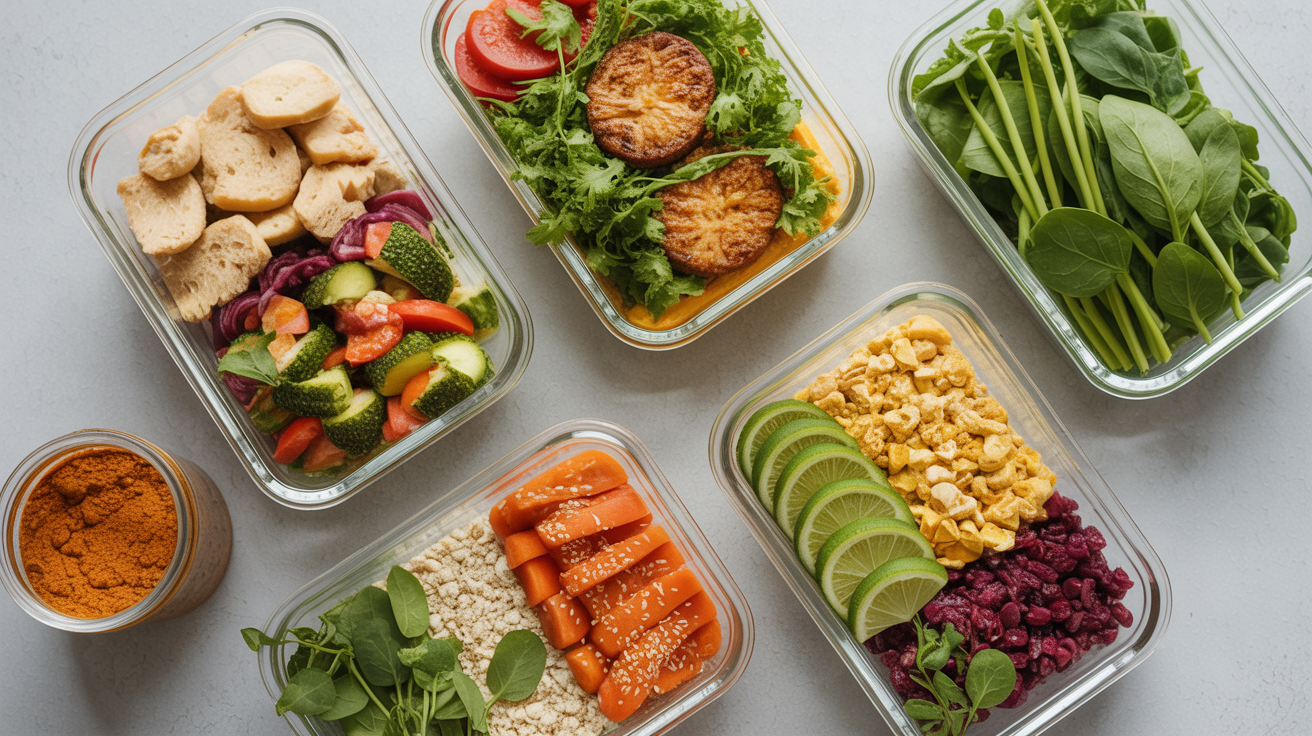
Most people who struggle with eating enough protein aren't failing at willpower, they're failing at having food ready. A Sunday afternoon spent on a few core components solves most of the problem before Monday even starts.
Quick answers
- Aim for roughly 0.7 to 1 gram of protein per pound of bodyweight, spread across three or four meals.
- Chicken thighs, ground turkey, canned tuna, Greek yogurt, and lentils are the cheapest ways to close the gap.
- Prep components, not finished dishes, so lunches still taste good on Thursday and Friday.
- A fat source, whether that is avocado, olive oil, or tahini, is what keeps a high-protein bowl from tasting dry and chalky.
- A full week of prepped lunches takes about 30 minutes of actual hands-on cooking time on a Sunday.
How much protein do you actually need
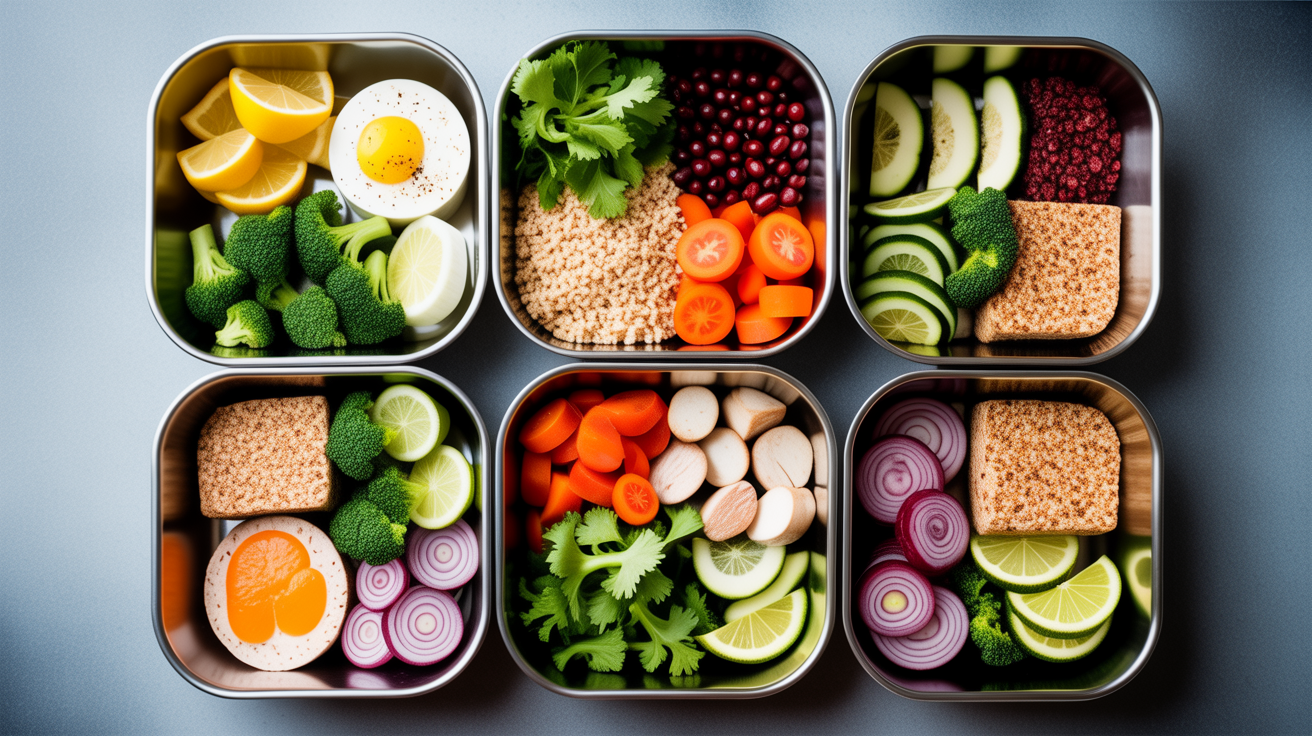
The oft-cited guideline for active adults is 0.7 to 1 gram of protein per pound of bodyweight. For a 160-pound person doing moderate exercise, that's roughly 110 to 160g of protein per day. That sounds like a lot until you break it across four meals: 30 to 40g per meal is very achievable with the right ingredients in your fridge.
Hitting targets without obsessing
You don't need to weigh every gram. A reasonable mental model: a palm-sized portion of chicken breast (about 4 oz cooked) is 35g. Two eggs are 12g. Half a cup of cottage cheese is 14g. Knowing these rough numbers by heart is more useful day-to-day than tracking every meal in an app.
If you're new to structuring meals around protein, the meal prep for beginners guide covers portion frameworks that don't require a food scale.
Budget-friendly protein sources
Chicken thighs get unfairly overshadowed by chicken breast. They're cheaper, more forgiving to cook (harder to dry out), and hold up better after a few days in the fridge. A five-pound bag runs about $8 to 10 at most grocery stores, that's 10 to 12 thighs, enough for the full week.
The proteins worth keeping in rotation
| Protein source | Approx. protein per serving | Notes |
|---|---|---|
| Chicken thigh (4 oz cooked) | 28g | Stays moist after reheating |
| Ground turkey (4 oz cooked) | 22g | Works in bowls, tacos, pasta |
| Canned tuna (one can, 5 oz) | 25g | No cooking; mix with Greek yogurt instead of mayo |
| Hard-boiled eggs (2) | 12g | Good for breakfast or snacks |
| Greek yogurt (3/4 cup) | 15 to 18g | Full-fat holds texture better |
| Lentils (1/2 cup cooked) | 9g | Cheap, freezes well, filling |
| Cottage cheese (1/2 cup) | 14g | Often overlooked; versatile base |
Ground turkey is underrated for meal prep specifically because it takes on whatever seasoning you use, taco spice one week, Italian herbs the next, so it doesn't feel repetitive.
Components, not complete meals
The biggest mistake in meal prep is cooking finished dishes. A pre-made container of chicken stir-fry is great on Monday and borderline unpleasant by Thursday. Instead, prep components and assemble meals throughout the week.
What holds up and what doesn't
Proteins, grains, and roasted vegetables stay good for 4 to 5 days in the fridge with no problem. Leafy greens wilt by day 2, especially once dressed. Avocado is a same-day item. Sauces and dressings stored separately let you vary flavors without cooking anything new.
A solid set of components to prep every Sunday:
- Protein batch: 2 lbs chicken thighs, seasoned and baked at 400°F for 25 minutes
- Grain base: 2 cups dry rice or farro, cooked and cooled
- Roasted vegetables: whatever is cheap, zucchini, sweet potato, broccoli, bell peppers
- One egg prep: hard-boiled eggs or a baked egg sheet pan
- Legume option: one can of chickpeas rinsed and roasted, or lentils simmered with bay leaf
With those five things ready, you can assemble a grain bowl, a wrap, a salad topper, or a simple plate with a side. If you want to keep containers organized and avoid the "everything got squished together" problem, meal prep containers covers which formats work best for component-style storage.
The assembly formula
Every high-protein lunch follows roughly the same structure: protein + base + vegetables + fat source + sauce. Once that pattern is automatic, you stop needing recipes for weekday meals.
How to build each meal fast
Start with a base (rice, farro, quinoa, or greens). Add 4 to 5 oz of your prepped protein. Layer on roasted or raw vegetables. Add a fat, sliced avocado, a drizzle of olive oil, a spoonful of hummus. Finish with something that adds flavor: hot sauce, tahini thinned with lemon juice, or a simple vinaigrette.
The fat source matters more than people expect. Without it, high-protein meals tend to taste dry and flat, and you'll find yourself reaching for something else an hour later.
Batch-cooking a week of high-protein lunches in under 90 minutes
The actual prep time is shorter than most people assume. Season and bake chicken thighs (25 minutes, mostly unattended). Start rice on the stovetop at the same time. While those cook, chop and roast a sheet pan of vegetables (20 minutes at 425°F). Hard-boil eggs in the last 12 minutes. Rinse and drain canned chickpeas and toss with olive oil and cumin, then pop them on a second rack. By the time the chicken rests, everything is done and ready to portion into containers. Total hands-on time is closer to 30 minutes; the oven does the rest.
A sample 5-day week
This example uses chicken thighs as the main protein batch and leans on pantry items to vary flavors:
- Monday lunch: Rice bowl with sliced chicken thigh, roasted broccoli, shredded carrot, sesame-ginger dressing (soy sauce, rice vinegar, a little sesame oil)
- Tuesday lunch: Farro bowl with chicken, roasted sweet potato, spinach, tahini-lemon sauce
- Wednesday lunch: Lettuce wrap with ground turkey (cooked fresh or from freezer), shredded cabbage, sriracha mayo
- Thursday lunch: Chickpea and farro salad with cucumber, cherry tomatoes, feta, red wine vinegar
- Friday lunch: Tuna mixed with Greek yogurt and Dijon, served over greens with hard-boiled egg and olive oil
Monday through Friday, every lunch lands above 35g protein with very little active cooking time after Sunday.
Making extra for the freezer
Ground turkey and lentils freeze particularly well. If you're cooking a pound of ground turkey, cook two and freeze half in a zip bag. Pull it out Thursday night and it's ready by Friday lunch. The freezer-friendly meals guide has a full breakdown of which proteins freeze cleanly versus which ones turn rubbery or watery.
Common mistakes and how to fix them
Overcooking chicken breast on Sunday and eating dry, chalky protein all week. Switch to thighs, or brine chicken breast for 30 minutes in salted water before cooking. Alternatively, poach it in barely simmering water with a bay leaf until it hits 160°F, it stays much more tender.
Cooking rice and letting it sit uncovered until it dries out. Cool rice quickly by spreading it on a sheet pan, then refrigerate in an airtight container. Reheat with a tablespoon of water and a loose lid in the microwave.
Preparing everything in the same flavor profile and burning out by Wednesday. Keep two or three sauces with different bases, one acidic (vinegar or citrus), one creamy (tahini or yogurt), one spicy, and your components taste different every day without any extra cooking.
Skipping the fat. A bowl with just rice, plain chicken, and steamed broccoli works nutritionally but doesn't satisfy. Adding olive oil or a yogurt-based sauce makes the same meal worth eating.
Not accounting for high-protein lunches at the office. Cold meals are the better bet here, the office microwave situation is often a deterrent that leads to grabbing something else. Building one or two no-reheat options into the week (tuna over greens, a chickpea salad, cottage cheese with vegetables) removes that friction entirely. High protein lunches don't have to be hot to do the job.
Frequently Asked Questions
How long does prepped protein actually stay safe in the fridge?
Cooked chicken, turkey, and ground meat are safe for 3 to 4 days at 40°F or below. Hard-boiled eggs last a week unpeeled, or 5 days once peeled and stored in water. Lentils and chickpeas keep for 5 days. If you're unsure about day 4 or 5, the smell test works, cooked chicken that's turned has a sour, slightly sulfurous smell that's not subtle.
What's the best way to reheat chicken without drying it out?
Add a splash of water or broth to the container before microwaving, and cover loosely. Heat in 60-second intervals rather than running it for 3 minutes straight. For rice bowls, the water helps steam the whole thing evenly. If you have a few extra minutes, a quick sear in a hot skillet with a little oil gets you closer to fresh-cooked texture.
Can I hit high protein targets without eating meat every day?
Yes, but it takes more intentional combinations. Greek yogurt, cottage cheese, eggs, and lentils together can get you to 100g without any meat. The main adjustment is that plant proteins are generally lower per serving, so portion sizes go up. A cup of cooked lentils (18g) plus a cup of Greek yogurt (18g) plus two eggs (12g) is already 48g, build from there across the rest of the day.
Why does reheated rice sometimes come out gummy or hard?
Gummy rice means too much moisture during reheating; hard rice means not enough. The fix is the same: add one tablespoon of water per cup of rice, cover loosely, and microwave in short bursts. Day-old rice stored uncovered in the fridge will need a little more water than rice that was sealed properly.
Further reading
- Protein, Harvard T.H. Chan School of Public Health, The Nutrition Source covers daily protein requirements and how quality varies across food sources.
- Protein (nutrient), Wikipedia has more background on how recommended daily amounts are calculated from bodyweight.