Techniques
How to Cook Pasta So It Never Turns Out Mushy, Bland, or Stuck
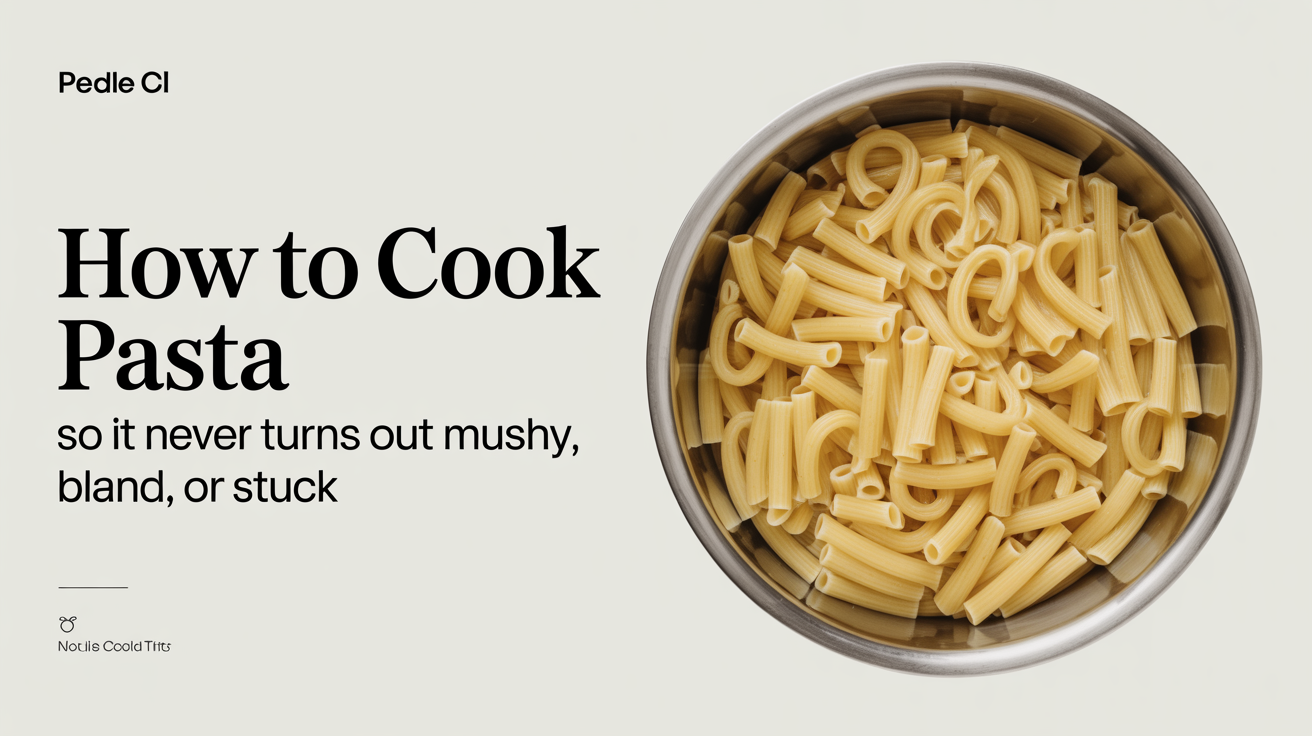
If you've ever pulled a pot of pasta off the stove and watched it clump into a single starchy brick, you already know that how to cook pasta isn't as obvious as "boil it for the time on the box." Pasta is forgiving in some ways and unforgiving in others. Get the water, the salt, and the timing right, and almost any shape turns out well. Skip one of those and you end up with something gummy, bland, or fused into a solid mass by the time it hits the plate. None of this requires fancy equipment, just attention at a few specific moments instead of walking away and hoping for the best.
Start With a Pot Big Enough to Let the Pasta Move
The most common mistake home cooks make happens before the water even boils: the pot is too small. Pasta needs room to circulate freely as it cooks. When there's barely enough water to cover it, the strands or shapes crowd together, the surface starch has nowhere to go, and everything starts sticking to itself within the first couple of minutes.
A good rule of thumb is to use a pot that looks almost comically large for the amount of pasta you're making. For a standard box (about a pound), reach for your biggest stockpot and fill it most of the way with water. If you only have a mid-size pot, cook in two batches rather than cramming everything in at once. It feels like extra work, but a crowded pot guarantees uneven cooking: the bottom overcooks while pieces near the surface stay chalky.
This also answers a question a lot of people ask indirectly: how much pasta per person. As a general planning figure, most adults eat somewhere around three to four ounces of dry pasta as a main course, a bit less as a side or bulked out with vegetables and protein. Size your pot to that total plus plenty of extra water, not the other way around.
Salting Pasta Water Like You Actually Mean It
This is the step most home cooks underdo, and it's the one that has the biggest effect on flavor. Pasta itself is bland. It's basically flour and water (or flour, water, and egg), and it has almost no seasoning of its own. If you don't season the cooking water, no amount of sauce added afterward will fully make up for it, because the inside of each noodle stays flat-tasting no matter how good the sauce is on the outside.
The classic guidance is to salt the water until it tastes like the sea. That's a taste description more than a precise measurement, and for good reason: pots vary, water volume varies, and a kitchen scale isn't going to tell you whether the balance is right the way your tongue will. Bring your water to a boil, add a generous amount of salt, stir, and taste it. It should taste distinctly salty, not just faintly seasoned. You're not seasoning the finished dish at this stage; you're seasoning the pasta itself, from the inside, in a way sauce can't replicate later.
Don't add oil to the pot thinking it will stop sticking. It mostly just floats on top and can make sauce slide right off the cooked noodles later. Stirring in the first minute or two after the pasta goes in does far more to prevent clumping than a splash of oil ever will. If you're curious about which salt actually makes the biggest difference here and in the rest of your cooking, it's worth reading through what to look for in a cooking salt, since not every salt behaves or measures the same way.
Timing and Testing for Doneness
The cook time printed on the box is a starting estimate, not a guarantee. Stove strength, altitude, pot size, and even the specific batch of pasta can shift actual cook time by a minute or more in either direction. Treat the package time as a general window and start tasting a minute or two before it's supposed to be done.
Al dente pasta should have a slight resistance when you bite into it: cooked through, not raw or chalky, but not soft all the way either, with a faint firmness at the very core. The only reliable way to hit that point is to fish out a piece with tongs, let it cool for a few seconds, and bite it. Cutting it in half and checking for a white dot in the middle gives a rough idea, but taste is more accurate, since texture is what actually matters here, not color.
Once it's at the point you want, pull it immediately. Pasta keeps cooking a little even after you drain it, especially if it's going straight into a hot pan of sauce, so pulling it slightly before you think it's perfectly done often lands you at the right spot by the time it's plated.
Reserve the Water, Skip the Rinse
Before you drain, scoop out a cup or so of the starchy cooking water and set it aside. This one habit fixes more sauce problems than almost anything else in the kitchen. That water is cloudy with starch that washed off the pasta as it cooked, and starch is what helps a sauce cling to noodles instead of pooling at the bottom of the bowl. A splash added to a pan of sauce, stirred in over heat, loosens it to the right consistency while helping it grip the pasta rather than sliding off. If you want to see this in action, building a pan sauce from scratch leans on that reserved water at almost every step.
After scooping out what you need, drain the rest of the pasta in a colander and resist the urge to rinse it. Rinsing washes away the same starch you just saved some of, and it cools the pasta down right when it should be going into a warm pan to absorb sauce. The one real exception is a cold pasta salad, where stopping the cooking fast matters more than surface starch. For a hot dish, drain it, don't rinse it, and get it into the sauce while it's still steaming.
Matching the Shape to the Sauce
Not every pasta shape works equally well with every sauce, and matching them correctly changes how a dish actually eats. Long, thin strands like spaghetti or linguine are built for sauces that cling in a thin coating: olive oil-based sauces, light tomato sauces, or anything emulsified with a bit of pasta water. The strand's surface lets a thin sauce wrap around it evenly.
Tube and ridge shapes like rigatoni, penne, or shells suit chunkier sauces with actual pieces in them: meat ragùs, vegetable sauces, or anything with texture you want caught inside the ridges rather than sliding off. A hearty bolognese on angel hair tends to sink to the bottom of the bowl instead of coating the noodles, while the same sauce on rigatoni gets trapped and delivered in every bite.
If you're looking for combinations that already respect this pairing, a solid set of easy pasta recipes is a faster starting point than guessing shape by shape.
Troubleshooting Common Pasta Problems
Gummy or sticky pasta
This usually comes from too little water, not enough stirring in the first couple of minutes, or letting drained pasta sit in the colander too long without sauce or oil to keep it moving. Next time, use more water, stir early, and get the pasta into sauce (or at least a bit of the reserved cooking water) right after draining instead of letting it sit.
Blown-out, mushy pasta
If it went past al dente into soft and structureless, it was almost certainly left in the water too long, either from not tasting it early enough or from carryover cooking after it was pulled. Start tasting earlier than you think you need to, and consider pulling it slightly underdone if it's headed into a hot pan of sauce to finish.
Bland pasta even with a good sauce
This almost always traces back to underseasoned cooking water. Sauce sitting on the outside of a noodle can't fix bland pasta on the inside. Salt the water properly next time and taste the difference directly.
Frequently Asked Questions
How long should I boil pasta?
It depends on the shape and brand, but most dried pasta falls somewhere between 8 and 13 minutes. Use the package time as a rough guide and start tasting a minute or two early rather than trusting the clock alone.
Do I really need to salt the pasta water?
Yes. It's the only chance you get to season the pasta itself rather than just the sauce sitting on top of it. Salt the water until it tastes noticeably salty, not just slightly flavored.
Why does my pasta stick together after draining?
Usually a combination of too little cooking water, not stirring early on, and letting drained pasta sit without sauce or oil. Move it from the colander into sauce quickly, or toss it with a little reserved pasta water in the meantime.
Should I add oil to the cooking water?
It's not necessary and can work against you. Oil floats on the surface rather than coating the pasta, and it can make sauce slide off cooked noodles later instead of clinging to them.
Is it ever okay to rinse pasta after cooking?
Yes, for cold dishes like pasta salad, where stopping the cooking quickly and cooling it down matters more than surface starch. For hot dishes going straight into sauce, skip the rinse.